
Table of Contents
Overview
Introduction: What is the Qur’an?
Frequently Asked Questions about the Qur’an
- What is the Qur’an within a short sentence?
- What are the major themes in the Qur’an?
- How is the Qur’an structured?
- How do we know the Qur’an is authentic?
- Can the Qur’an be translated?
- How widespread is Islam and the Qur’an today?
- I have never read the Qur’an before. Where should I start?
- Should I read the Qur’an from beginning to end?
- What role does the Qur’an play in Muslim worship and daily life?
- How do Muslims interpret the Qur’an?
- Why is the Qur’an considered miraculous?
- What does the Qur’an teach about humanity’s relationship with God?
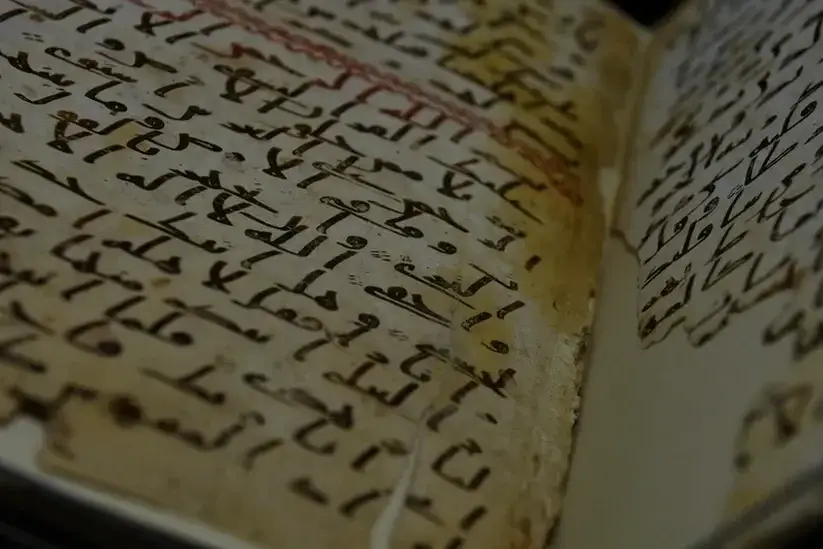
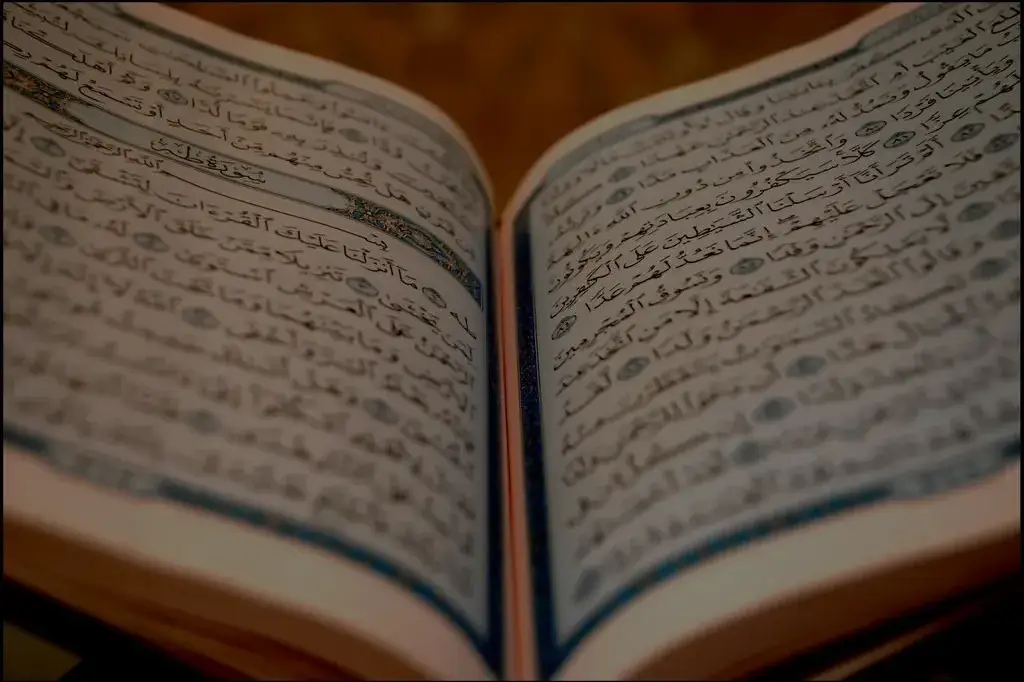
The Qur’an, often translated as “The Recitation,” is regarded by Muslims as the final and complete revelation of God (Allah) to humankind. While commonly referred to as a book, it transcends the conventional understanding of the term. The Qur’an is believed to be the literal and unaltered speech of God, revealed in the Arabic language to the Prophet Muhammad ﷺ (peace be upon him) through the Angel Gabriel (Jibrīl) over a period of approximately twenty-three years.
In the Islamic worldview, the Qur’an represents the culmination of a long chain of divine messages delivered through earlier prophets such as Adam, Noah, Abraham, Moses, and Jesus (peace be upon them all). It both confirms and completes the essential truths contained in previous scriptures, the Torah, Psalms, and Gospel, while offering a final, comprehensive articulation of divine guidance suited for all times and places.
The structure of the Qur’an consists of 114 chapters (sūrahs), varying in length from just a few verses to many pages. Each chapter comprises individual verses (āyāt), which together form a text renowned not only for its spiritual significance but also for its linguistic and literary excellence. Many scholars, both Muslim and non-Muslim, regard the Qur’an as one of the most eloquent and influential works in the Arabic language. For ease of study and recitation, the Qur’an is often divided into thirty equal sections (ajzāʾ).
A defining feature of the Qur’an is its preservation. Muslims believe that since its revelation more than fourteen centuries ago, the Qur’an has remained unchanged and perfectly safeguarded, in accordance with the divine promise:
“Indeed, it is We who sent down the Reminder, and indeed, We will be its guardian.” (Qur’an 15:9)
This belief is supported by a long tradition of memorization and transmission. Countless Muslims, known as ḥuffāẓ, have memorized the Qur’an in its entirety, ensuring its continuity through oral recitation alongside written preservation.
The content of the Qur’an is wide-ranging. It includes moral and legal guidance, spiritual reflection, prayers, historical narratives, and descriptions of the attributes of God. The text addresses human conduct, social justice, family life, and the moral responsibilities of individuals and societies. It also recounts stories of past prophets and communities, not merely as historical accounts but as moral and spiritual lessons.
At its core, the Qur’an describes itself as a book of guidance (hudā) for humanity (2:185), calling people to faith, righteousness, and justice. Its recitation holds central importance in Muslim worship and daily life. Every chapter except one begins with the phrase “In the name of God, the Compassionate, the Merciful” (Bismillāh al-Raḥmān al-Raḥīm), a reminder of God’s mercy and compassion. During the month of Ramadan, Muslims traditionally complete a full recitation of the Qur’an during nightly tarāwīḥ prayers, maintaining a living connection with the divine message.
The Qur’an is also a subject of deep scholarly study, forming the basis of the discipline known as Qur’anic studies (ʿulūm al-Qurʾān). Muslim scholars have devoted centuries to exploring its meanings through exegesis (tafsīr), while Hadith literature, the recorded sayings and actions of the Prophet Muhammad ﷺ, serves as a crucial interpretive companion, clarifying and contextualizing its verses.
Ultimately, the Qur’an is viewed not merely as a sacred scripture but as a living revelation that continues to shape spiritual, ethical, and intellectual life across generations and cultures. For Muslims, it is both a reminder (dhikr) of their Creator and a comprehensive guide (hudā) for living with purpose, faith, and compassion.
Frequently Asked Questions about the Qur’an
1. What is the Qur’an within a short sentence?
The Qur’an is the holy scripture of Islam, believed by Muslims to be the literal word of God (Allah) revealed in Arabic to the Prophet Muhammad ﷺ (peace be upon him) over a period of twenty-three years through the Angel Gabriel (Jibrīl). It provides divine guidance for every aspect of human life—spiritual, moral, social, and intellectual.
2. What are the major themes in the Qur’an?
The Qur’an explores many interconnected themes that form the foundation of Islamic belief and ethics. Some of the central ones include:
- The Oneness of God (Tawḥīd) and His absolute sovereignty.
- Worship and obedience as the purpose of human life.
- The Afterlife and the Day of Judgment, where every deed is accounted for.
- Moral and spiritual guidance for living righteously.
- Creation and the signs of God in the universe.
- Prophethood and revelation as means of divine communication.
- Accountability for good and evil actions.
- Justice, equality, and compassion as the basis for human relations.
These themes weave through the Qur’an to shape a comprehensive worldview centered on faith, purpose, and responsibility.
3. How is the Qur’an structured?
The Qur’an consists of 114 chapters (sūrahs), each made up of verses (āyāt). The chapters vary in length—from a few lines to many pages—and are arranged roughly in descending order of length. For recitation and memorization, the text is divided into thirty sections (ajzāʾ). Every chapter except one begins with the phrase “In the name of God, the Compassionate, the Merciful.”
4. How do we know the Qur’an is authentic?
Muslims believe the Qur’an’s authenticity is supported by multiple dimensions:
- Historical Preservation: The Qur’an was revealed to Prophet Muhammad ﷺ, memorized by his followers, and written down during his lifetime. It was later compiled under the caliphs Abu Bakr and Uthman ibn Affan, resulting in a standardized text that has remained unchanged for over 1,400 years.
- Teachings and Impact: The Qur’an transformed the lives of its first audience and continues to influence individuals and societies across centuries. Its message of justice, mercy, and spiritual discipline stands as a living proof of its divine origin.
- Miraculous Nature: The Qur’an challenges humanity to produce a work equal to it in eloquence, depth, and coherence—a challenge that remains unmet. Its literary miracle and continued relevance reinforce its claim to divine authorship.
The Qur’an also encourages reflection and examination, inviting believers to think, study, and seek truth rather than accept belief blindly.
5. Can the Qur’an be translated?
Yes, the Qur’an has been translated into over 100 languages, allowing people of diverse backgrounds to access its meanings. However, Muslims regard the Arabic text as the only authentic Qur’an, since it is considered the exact word of God, not a human interpretation.
Translations are viewed as interpretations or explanations of meaning, aiming to convey the sense of the original while acknowledging that some linguistic and spiritual subtleties cannot be fully captured in another language.
6. How widespread is Islam and the Qur’an today?
Islam is a global faith with approximately 2 billion followers across every continent. The largest Muslim populations are found in Indonesia, Pakistan, India, and Bangladesh, with significant communities in Africa, the Middle East, Europe, and North America. The Qur’an unites this diverse population through shared faith, worship, and language of recitation.
7. I have never read the Qur’an before. Where should I start?
A good place to begin is Sūrah al-Fātiḥah, the Opening Chapter of the Qur’an.
It consists of seven verses and is recited in every unit of Muslim prayer. Al-Fātiḥah begins with “In the name of God, the Most Merciful, the Most Compassionate” and combines praise, acknowledgment, and a plea for guidance.
It sets the tone for the entire Qur’an, summarizing the relationship between God and humanity—worship, dependence, and the search for the straight path.
When starting, approach the Qur’an with an open heart and mind—without bias—and reflect on its message rather than rushing through it. Even reading a few verses with understanding can be profoundly meaningful.
8. Should I read the Qur’an from beginning to end?
There is no single required sequence for reading the Qur’an. While it is compiled in a particular order, its chapters are not chronological, as the revelations were delivered over 23 years in response to different situations.
Many readers choose to explore topics or chapters that speak to their current needs or interests, such as patience, mercy, or gratitude. Others prefer to read it from beginning to end for a holistic understanding.
The key is to read it thoughtfully and consistently, seeking guidance and reflection rather than completion alone.
9. What role does the Qur’an play in Muslim worship and daily life?
The Qur’an is central to Muslim devotion. It is recited during the five daily prayers, memorized by believers, and recited beautifully using special rules called tajwīd.
During Ramadan, Muslims often complete the recitation of the entire Qur’an in nightly tarāwīḥ prayers. Beyond worship, Muslims turn to the Qur’an for comfort, moral guidance, and inspiration, seeing it as a living companion in every stage of life.
10. How do Muslims interpret the Qur’an?
Interpretation of the Qur’an is called tafsīr. Scholars use linguistic, historical, and contextual analysis to explain its meanings. The Hadith—the sayings and actions of the Prophet Muhammad ﷺ—serve as the primary source for understanding how the Qur’an’s teachings were applied in practice.
Through centuries of scholarship, Qur’anic exegesis has developed into a rich field combining theology, law, ethics, and spirituality.
11. Why is the Qur’an considered miraculous?
The Qur’an is viewed as miraculous for several reasons:
- Its linguistic perfection—a level of eloquence unmatched in Arabic.
- Its depth of meaning, addressing all aspects of human experience.
- Its prophetic accuracy, including descriptions of nature, history, and the unseen that continue to inspire reflection.
- Its transformative impact, guiding individuals and societies toward justice and spiritual awareness.
Muslims regard this as a sign of divine authorship, affirming the Qur’an as the ultimate miracle of the Prophet Muhammad ﷺ.
12. What does the Qur’an teach about humanity’s relationship with God?
The Qur’an teaches that God is One, merciful, and ever-present, and that humans are His servants and stewards on earth. It emphasizes that faith must be expressed through righteous action, compassion, and justice.
Human beings are called to live in conscious awareness of God (taqwā), to seek His forgiveness, and to work for the good of others as part of their spiritual purpose.