
Introduction
Throughout Islamic tradition, there are reports of the Prophet Muhammad ﷺ making predictions about future events — including challenges the Muslim community would face long after his lifetime. One of the most discussed is the encounter with the Mongols of Central Asia and their impact on Muslim lands. Whether taken as exact prophecy or as a broader warning, the episode invites reflection on the nature of history, divine wisdom, and the responsibility of communities in times of trial.
What the Narrations Say
Among the narrations attributed to the Prophet ﷺ is the following:
“The Hour will not come until you fight people whose faces are like flat shields, who wear shoes made of hair.”
Some scholars interpret this as referring to a people from among the non-Arabs with physical features unlike the Arabs.
Another narration mentions fighting “the Khudh and the Kirman from among the non-Arabs” described with small eyes, flat noses, broad faces, and shoes made of hair.
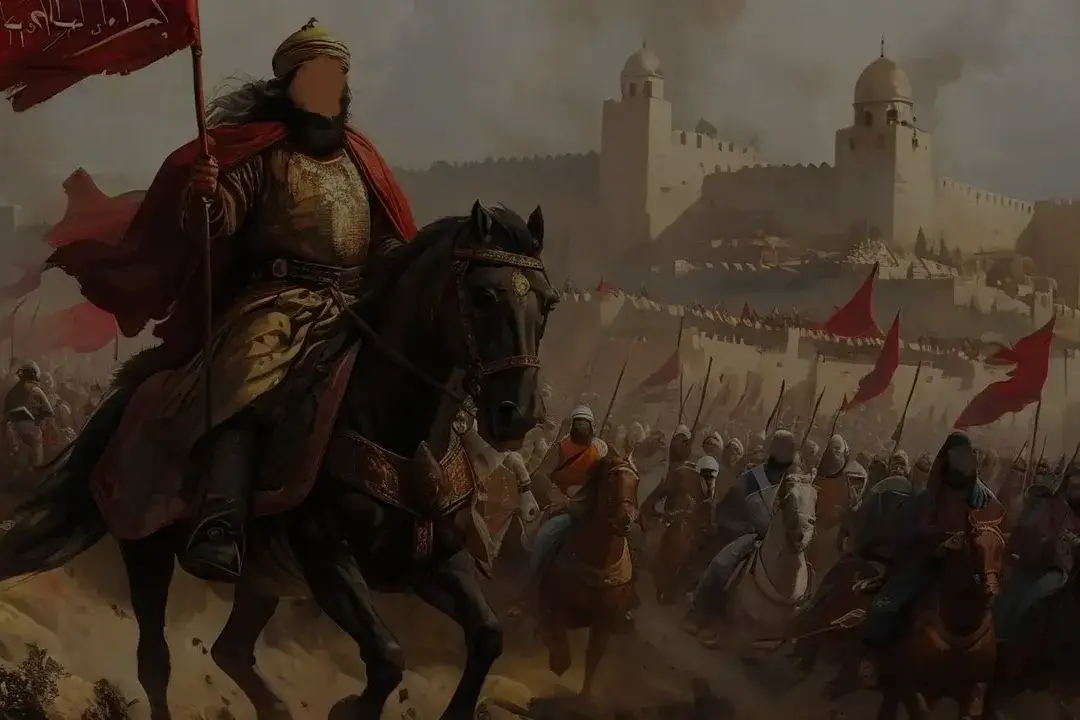
Supporters of the view that these hadith refer to the Mongols point to the Mongols’ westward expansion in the 13th century, their distinct physical characteristics, and their impact on the Muslim world—especially the sack of Baghdad in 1258.
Historical Context: The Mongol Impact on Muslim Lands
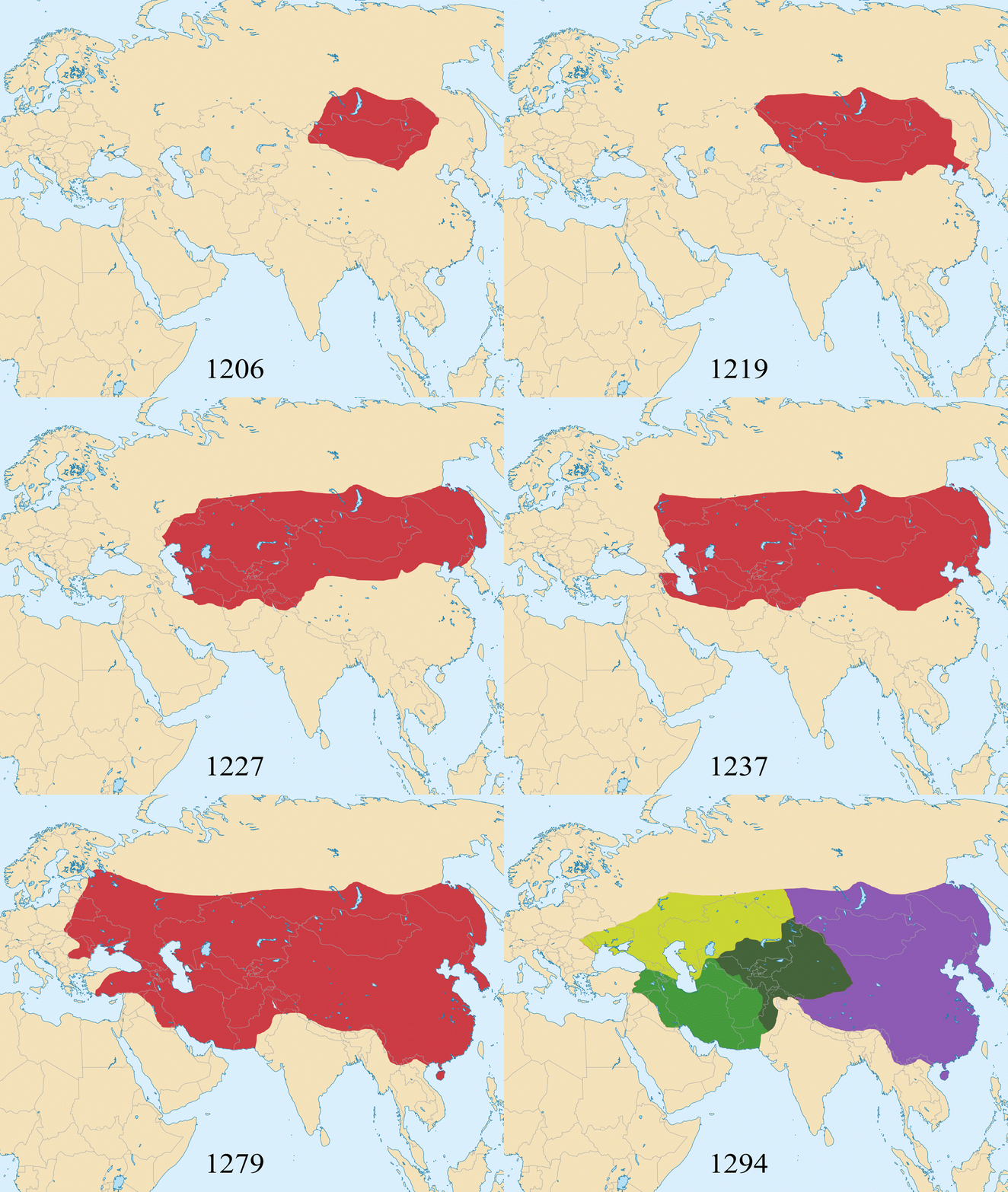
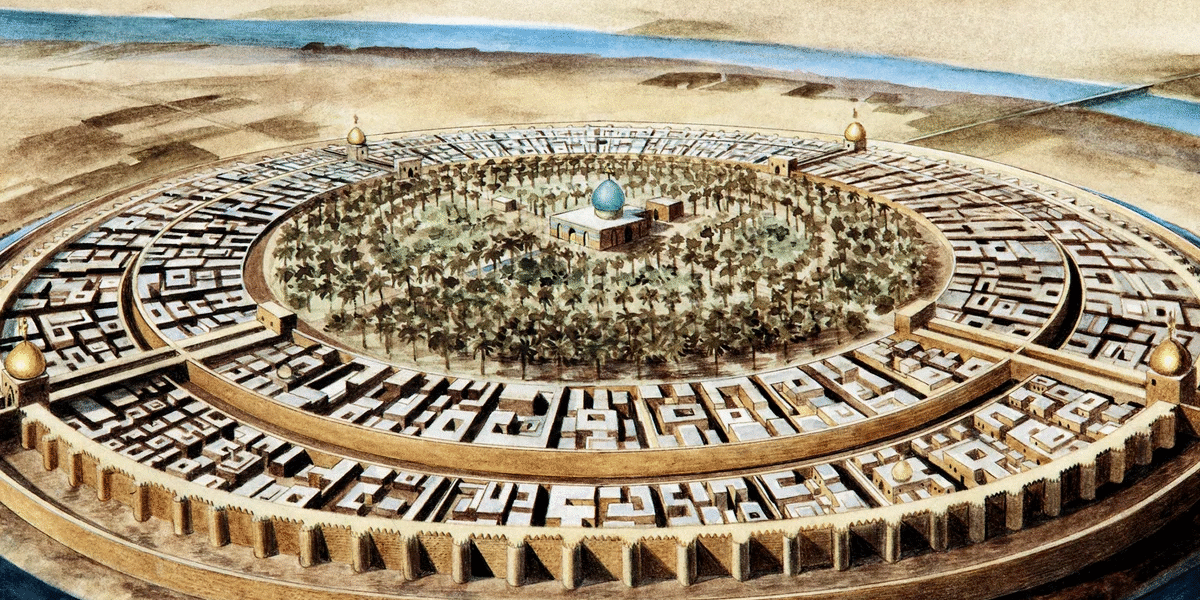
The Mongol invasions of the 13th century had a profound effect on the Islamic world. The fall of the Abbasid Caliphate in Baghdad in 1258 marked a major turning point in Islamic history, with large-scale destruction of key institutions, libraries, and cultural centres.
From the Muslim side, scholars and historians noted how the Mongols, once being nomadic tribes from the steppes of Central Asia, came to defeat large established states, advance into Syria, Persia, and beyond. Their tactics, numbers, and ferocity were unlike many earlier confrontations. Some traditional authors understood the narrations of the Prophet ﷺ as warnings of such events.
Scholarly Views and Debates
While many Muslims embrace the view that the Prophet ﷺ predicted the Mongols, there are also important scholarly cautions:
- Some hadith chains and narrations lack strong authentication or are categorized as weak.
- Interpretations of physical descriptions (“flat shields,” “shoes made of hair,” etc.) may reflect cultural understandings of that era and might not neatly map to later peoples.
- The process of linking early prophecies to events centuries later must be done carefully, avoiding retrofitting or over-reading.
- Even within Islamic tradition, the emphasis is often more on the lesson and moral than on exact photographic prediction.
Key Lessons for the Muslim Community
Whether one accepts the specific prophetic prediction or views it as part of Islamic eschatology, several timeless lessons emerge:
- Awareness of Trial and Change
The episode reminds believers that communities may face unfamiliar and powerful challenges long after their foundation. - Maintaining Faith and Resilience
The Muslim world experienced deprivation, oppression, and defeat during the Mongol period. The tradition emphasises that such trials do not mean faith is void. The Quran teaches that after hardship comes ease. - Unity, Learning and Adaptation
Many Muslim states fell when they were divided or complacent. The response to external threats often required knowledge, unity, sound leadership, and moral integrity.
Historical Humility
Recognizing that no community is immune to decline or defeat, Islam teaches that success and survival depend on obedience, justice, and the love of God, not merely numbers or power.
Conclusion
The story of Prophet Muhammad ﷺ and the Mongol invasions offers profound reflection. It shows how faith traditions engage with history, how warnings become heritage, and how communities interpret the past to strengthen the future.
Whether one sees the narrations as literal prophecy or metaphorical warning, the core message remains: believers must remain vigilant, humble, and upright, for change is a constant, and Allah’s wisdom encompasses the seen and unseen.
By learning from history—and remembering the timeless teachings of Islam—we equip ourselves for the unpredictable challenges ahead while grounding our hope in the constant mercy and guidance of God.