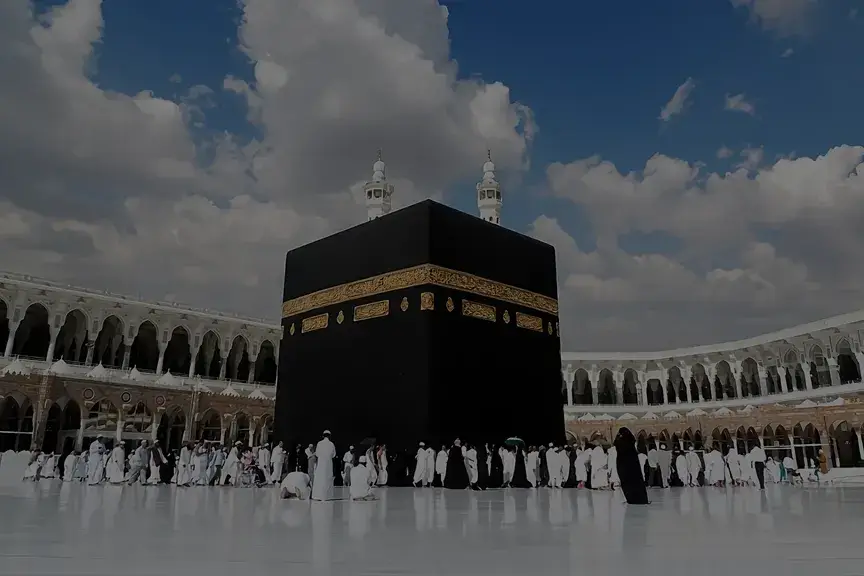

The sheer number of faiths in the world can be one of the most perplexing questions for a sincere seeker of truth. If, as Islam teaches, there is only One God (Allah), the Creator and Sustainer of the Universe, why do we see a landscape dotted with countless religions, sects, and beliefs?
The answer, from an Islamic perspective, is profound and multi-layered. It is rooted in two core concepts: Tawhid (The Oneness of God) and God’s wisdom in His continuous interaction with humanity.
🌟 The Core Message is One: Tawhid
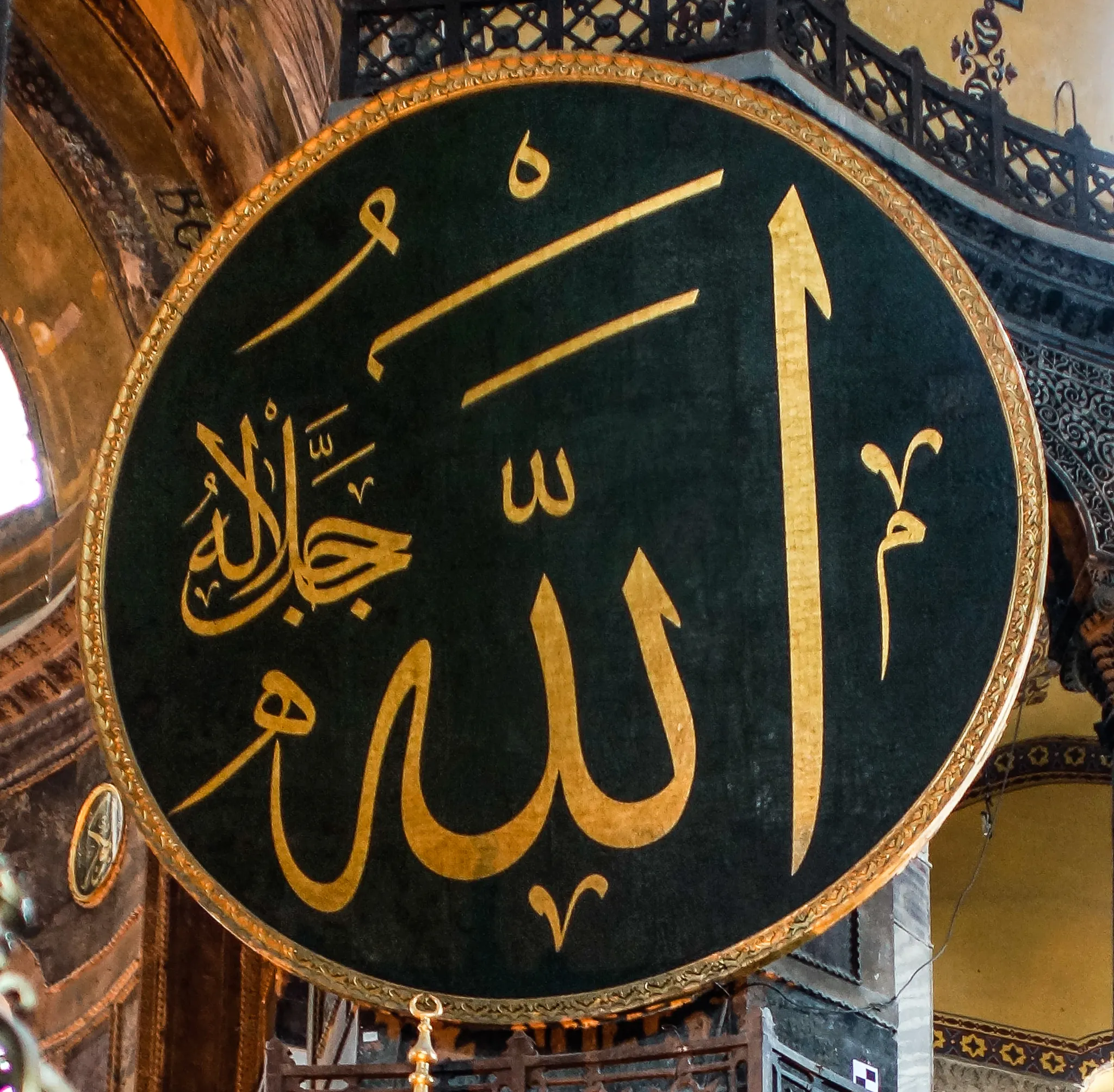
The fundamental truth of Islam is Tawhid—the absolute, indivisible oneness and uniqueness of God. This is the cornerstone of the Muslim faith.
One Creator: Muslims believe that all human beings, from the very first prophet Adam (peace be upon him) to the last prophet Muhammad (peace be upon him), were sent with the same essential message: to worship the One True God alone.
A Single ‘Religion’ in Essence: In Arabic, the word for religion is Deen (often translated as a way of life). In its purest sense, Islam (meaning ‘submission’ to God’s will) is not a new faith, but the final, complete articulation of this primordial, universal Deen taught by all prophets.
Prophets as a Chain of Messengers:
Islam views figures like Noah, Abraham, Moses, and Jesus (peace be upon them all) not as founders of separate religions, but as links in a single, continuous chain of prophethood. Each prophet brought the same essential call to Tawhid, tailored for their specific time, culture, and people.
⚖️ The Divine Wisdom of Diversity: A Test and a Mercy
The Holy Qur’an directly addresses the issue of diverse communities, explaining that this diversity is not an accident, but a part of God’s deliberate plan.
A Test in Righteousness
God states in the Qur’an:
“…If Allah had so willed, He would have made you a single community, but [He intended] to test you in what He has given you; so compete in [all] good deeds…” (Qur’an 5:48)
The existence of different paths becomes a test. It challenges each community to demonstrate its sincerity and devotion. Rather than spending our energy fighting over perceived differences, we are urged to “compete in good deeds”—to focus on justice, charity, and ethical conduct, which are universal values found in all divine revelations.
Human Factors: Distortion Over Time
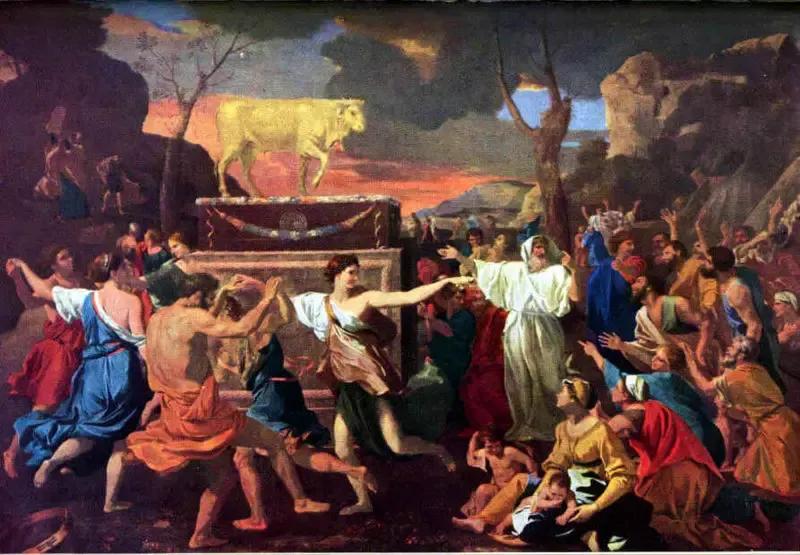
While the core divine revelation was always pure, human history, culture, and the passage of time introduced variations and, at times, distortions.
Cultural Context
Earlier revelations were given in the language and cultural context of their specific people. These contexts naturally led to different rituals and laws appropriate for that society.
Loss and Change: Over many generations, the original teachings were sometimes forgotten, misinterpreted, or deliberately altered by followers, leading to the formation of distinct, sometimes conflicting, religious systems.
The Final Word
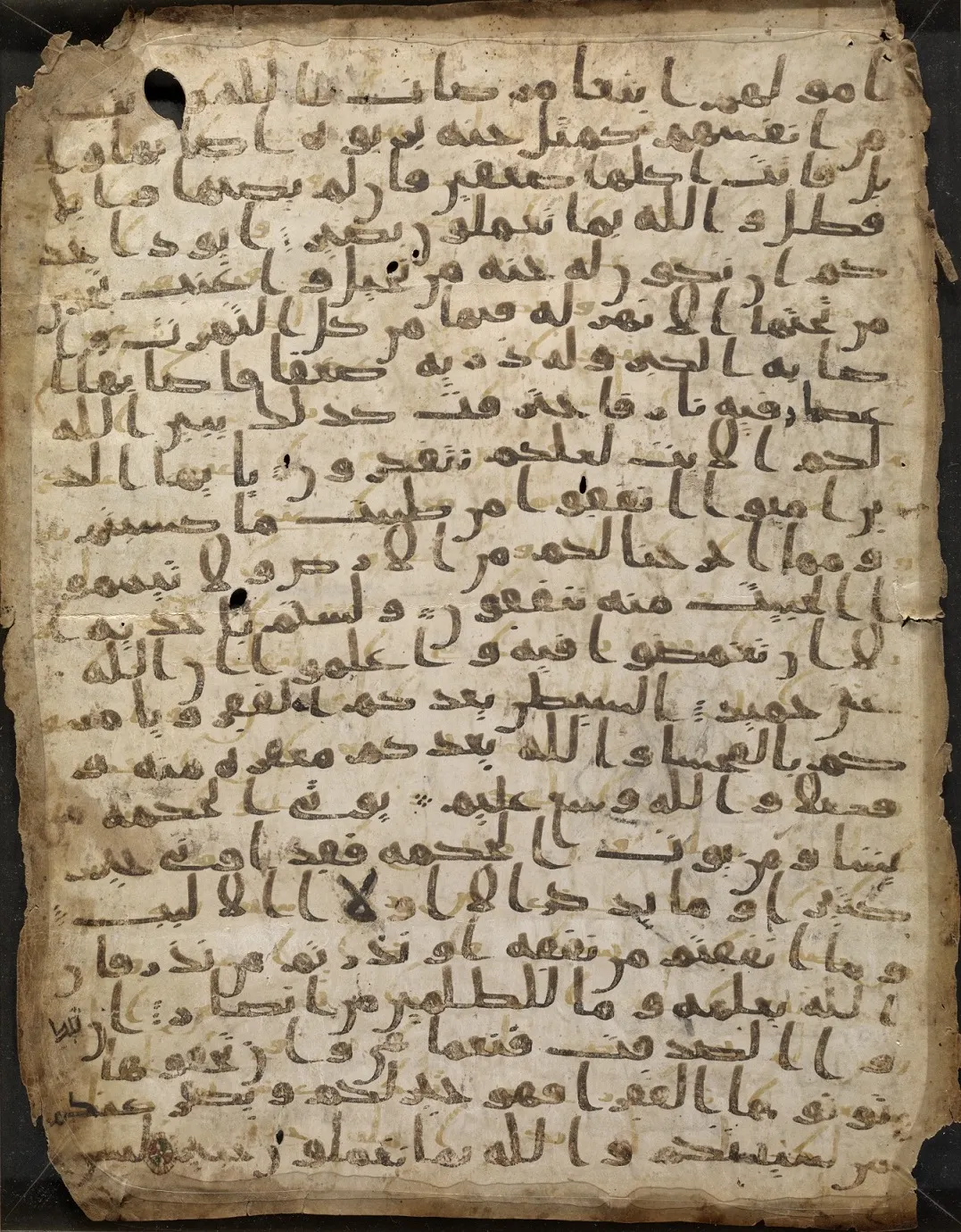
Muslims believe that the Qur’an was revealed as the final, complete, and perfectly preserved revelation to rectify these human-made errors and clarify the core, timeless message of Tawhid for all time and all people.
🤝 Unity Under One Banner The diversity of religions should not lead to perpetual conflict. The Islamic teaching on Tawhid demands that we see the essential unity beneath the surface.
Respect for the People of the Book Islam grants a special status to “People of the Book” (Jews and Christians), recognizing that they follow earlier, divinely-revealed scriptures. This forms a basis for mutual respect and dialogue.
Mankind’s True Identity The Qur’an teaches that humanity was made into shū’ūban wa qabā’ila (nations and tribes) “that you may know one another” (Qur’an 49:13). The differences are meant to be a source of richness and interaction, not division and animosity.
🔑 Conclusion: The Key to Understanding
The answer to “If God is One, why so many religions?” is that the message is one, but the messengers and the recipients were many. The original, pure, and universal truth, the call to worship the One God was delivered repeatedly across human history. The resulting multiplicity of faiths is a combination of God’s divine will to test us and a consequence of human interpretation and deviation over time.
For the Muslim, the path is clear: embrace the final, perfected message of Islam, which confirms all earlier truths and provides the comprehensive guidance for humanity, while maintaining respect and justice for all of God’s creatures. Our duty is not to force unity, but to compete in goodness and uphold the eternal truth of La ilaha illa Allah (There is no god but God).