
Among all the religious texts known to humanity, the Qur’an stands uniquely apart. Muslims believe it is the literal, unaltered Word of God, revealed not as human reflections or inspired thoughts, but as direct communication from the Creator to the Prophet Muhammad ﷺ. Whether one approaches the Qur’an spiritually, historically, or academically, its unmatched nature becomes undeniably clear.
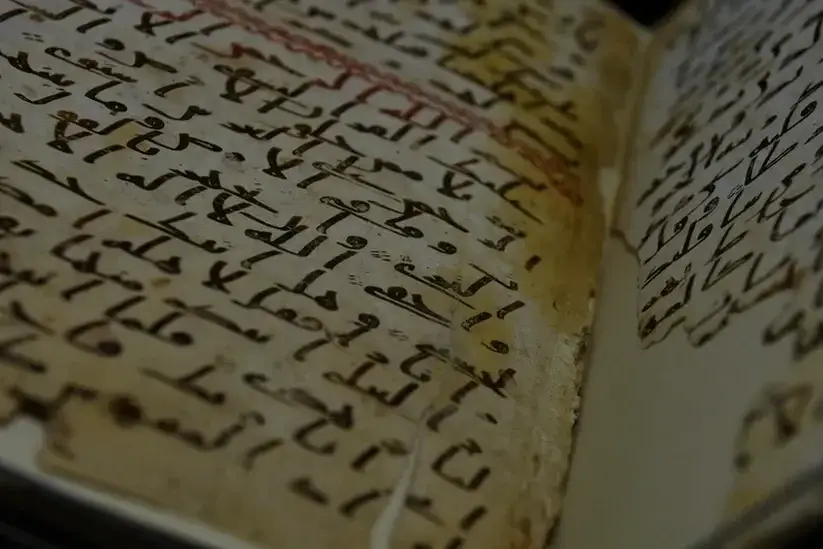
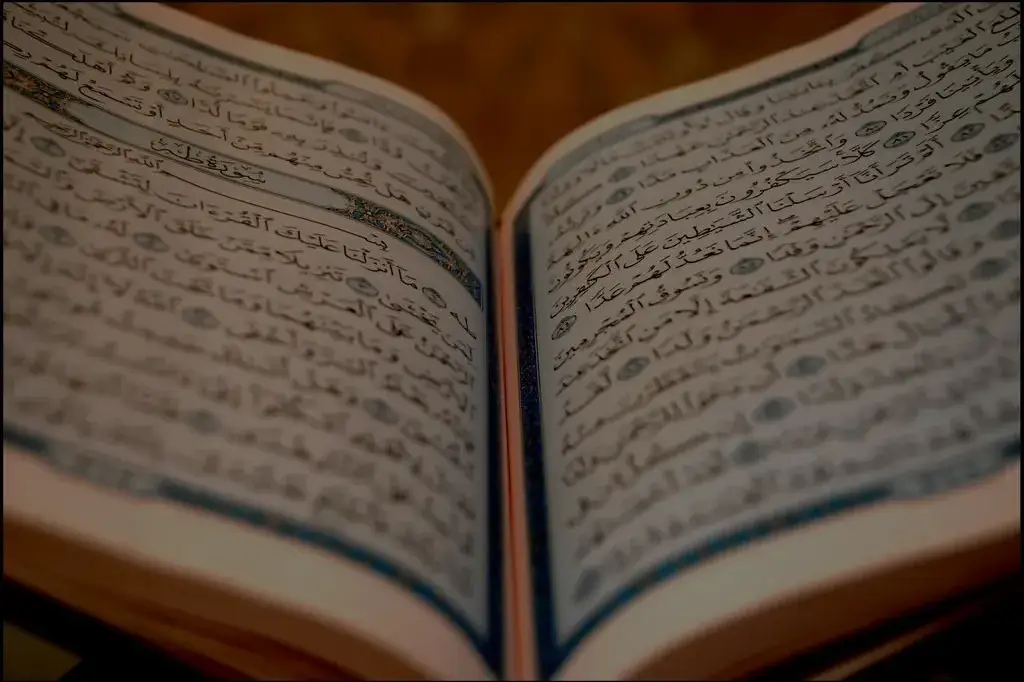
The Qur’an is the only major scripture that has remained fully preserved since its revelation. Not a single verse has been changed, lost, or added. It was memorized by thousands of companions during the Prophet’s lifetime, a chain of preservation that continues today, with millions able to recite the entire Qur’an from memory. Its written compilation was completed immediately after the Prophet’s death, under the supervision of eyewitnesses who heard every word directly from him. While other scriptures have multiple versions and editions, the Qur’an exists as one unified text: the exact same book in every corner of the world.
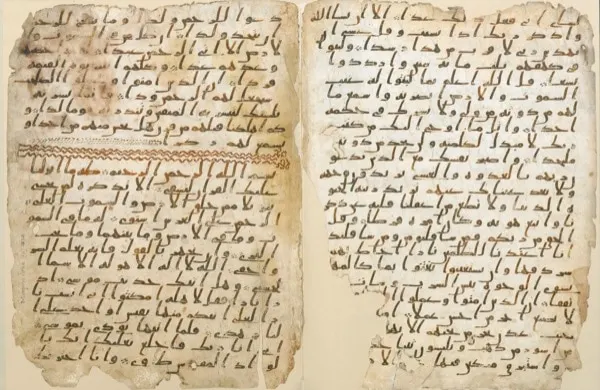
Its language, classical Arabic, is considered one of the most advanced linguistic systems in human history. The Qur’an’s style is completely unique, neither poetry nor prose, but a divine blend of both that no author has ever been able to imitate. The message challenged the greatest linguists of Arabia, renowned for their mastery of eloquence, to produce even a single chapter like it, yet no one succeeded. Even today, the challenge stands unanswered, a living sign of its miraculous nature.
The Qur’an also stands out because it speaks to every level of human understanding. A child may read it and find guidance. A scholar may study its depths for decades and still uncover new meanings. It addresses the intellect and the soul, the individual and society, the present moment and eternity. It does not only guide worship, but teaches ethics, law, relationships, governance, economics, psychology, self-reflection, and spiritual purification, forming a complete blueprint for life.

Its accuracy in matters of history and the natural world is another profound dimension. The Qur’an describes scientific realities unknown to the 7th-century world: the development of the human embryo, the expanding universe, the protective atmosphere, deep-sea barriers, the water cycle, and more, long before modern discovery confirmed them. It narrates historical accounts with precise details later verified by archaeology and academic research. A book from a desert society, yet containing knowledge far surpassing its time.
Unlike human-authored texts, the Qur’an speaks in a timeless voice, never limited to one era’s worldview. Every generation finds the Qur’an speaking directly to them, addressing challenges that evolve with time. Nations rise and fall as the Qur’an foretold, and modern issues, from identity to technology, fall under its eternal wisdom. It is a book that reads the reader, revealing truth according to one’s level of sincerity and spiritual openness.
Most significantly, the Qur’an transforms hearts. People from every culture have recited a single verse and wept, found clarity, or turned away from destructive paths toward purpose and peace. Even those who do not speak Arabic feel its rhythm resonate like a universal language of the soul. No other scripture continues to be recited daily, in perfect harmony, by over a billion voices, uniting humanity in remembrance of One God.
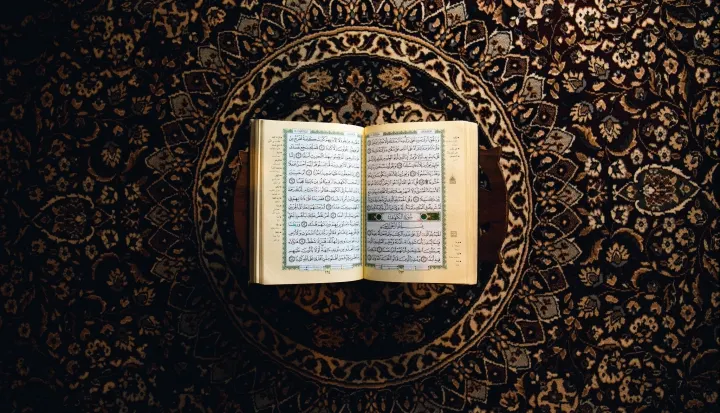
The Qur’an is not merely a book to be read. It is a living revelation, memorized, recited, preserved, studied, and lived with devotion. It calls humanity to know their Creator, discover their dignity, and walk a path of justice, mercy, and truth. Its unchanged perfection over 1,400 years remains a standing miracle and a direct link between humanity and the Divine.
This is why the Qur’an is unlike any other scripture. It is the Word of God, clear, complete, and eternal, guiding hearts across generations and calling every soul toward its Source.