
Salahuddin al-Ayyubi (Saladin) is one of the most admired figures in global history. He was a brilliant military commander, an astute ruler, and a profound scholar whose courage was matched only by his compassion. While he is best known for defeating the Crusaders and reclaiming Jerusalem, his enduring legacy lies not in his conquests, but in his character—a shining example of Islamic leadership that embodies justice, humility, and rahmah (mercy).
From Scholar to Strategist: The Unlikely Warrior
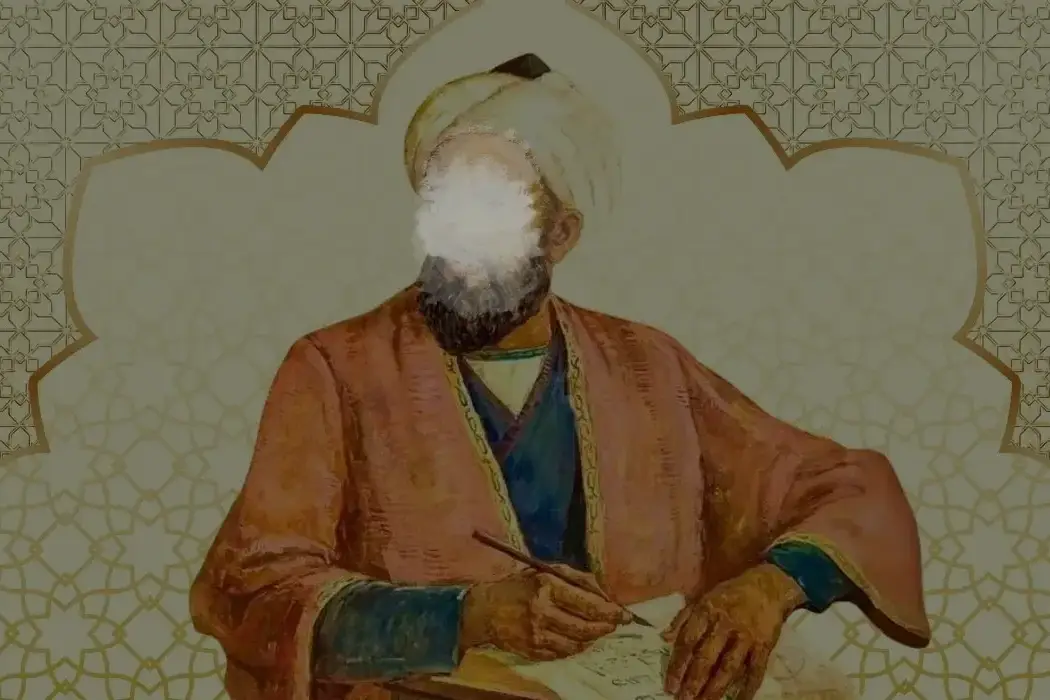
Salahuddin was born in 1137 CE in Tikrit, Iraq, into a Kurdish family. Crucially, his path was first paved with books, not battles. His early education focused intensely on the Qur’an, Hadith, and Islamic jurisprudence. He once confessed:
“I was not created to spill blood. My heart inclines to peace.”
Yet, destiny called him to unite the deeply fragmented Muslim lands against the Crusaders, who had occupied Jerusalem for nearly a century. Recognizing that unity is strength—a core Islamic principle—he used diplomacy and strategic brilliance to forge a single front among Egypt, Syria, and surrounding regions under a shared vision of justice and protection of sacred lands.
The Liberation of Jerusalem: A Masterclass in Ihsan (Excellence)
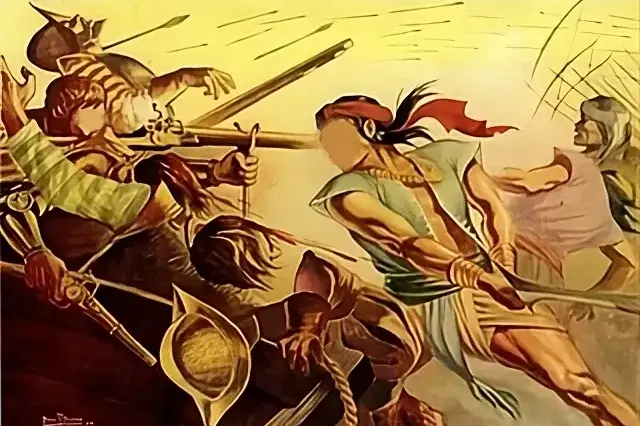
The defining moment of his life came in 1187 CE. After successfully defeating the Crusader army at the decisive Battle of Hattin, Salahuddin reclaimed Jerusalem for Islam.
What happened next shocked the world and earned him eternal respect:
- Averted Massacre: In stark contrast to the horrific massacre committed by the Crusaders when they first invaded the city in 1099, Salahuddin forbade the killing of any civilians—Muslim, Christian, or Jew.
- Mercy and Ransom: He granted all Christians safe passage and allowed churches to remain protected. He famously ordered that poor captives be ransomed with funds from the state treasury and even his own personal wealth.
His actions demonstrated that true victory is not about domination; it is about moral excellence and upholding justice even when power allows for revenge. This earned him the respect of his enemies, including his greatest rival, Richard the Lionheart, who described him as:
“A man of honor, without equal.”
The Integrity of the Ruler: Power Without Corruption
Despite ruling a vast empire, Salahuddin lived with remarkable simplicity and humility—a testament to his deep Tawakkul (reliance on God).
- Simple Living: He consistently wore simple clothes, ate modestly, and continuously gave away his wealth for the benefit of his people and his army.
- The Final Test: When he died in 1193 CE, his devotion to charity was confirmed by a powerful detail: he owned so little personal wealth that he could not afford his own burial shroud.
His legacy was built on integrity, not luxury. His leadership style perfectly exemplified the Islamic ethics of Adl (justice), Ihsan (excellence), and Rahmah (mercy), demonstrating that the pursuit of justice is the highest form of worship.
A Legacy That Conquers Hearts
Salahuddin Al-Ayyubi remains a timeless symbol of ethical leadership today. He proved that it is possible to be a hero of resistance against oppression while remaining morally impeccable.
He showed the world that:
✔ Courage must be practiced without cruelty. ✔ Faith must guide, not justify, fanaticism. ✔ Power must serve humanity, not corrupt the leader.
The lasting lesson of Saladin is that you can conquer lands with force, but you conquer hearts only with character. His life invites us to reflect on what true victory looks like: service to God, service to humanity, and an unwavering stand for justice.