
The Crusades remain one of the most defining and complicated chapters in the shared history of Muslims and Christians. While often portrayed simply as a religious war for control of Jerusalem, the conflict was fueled just as much by politics, economic motives, and profound misunderstanding between two rising civilizations.
To grasp this conflict, we must look through both lenses—Western Christian and Muslim—each holding a legitimate, yet different, memory of the past.
The Western Call: Salvation, Status, and Sovereignty
In 1095 CE, Pope Urban II called upon European knights and common people to wage a “holy war” to reclaim Jerusalem from Muslim rule. For many Christians of the time, the war offered a spiritual and worldly solution:
- Spiritual Forgiveness: The journey was marketed as a path to salvation, with participation granting plenary indulgences (forgiveness of sins).
- Social Release: Europe was suffering from feudal violence, social hardship, and a land shortage. The Crusades redirected this internal aggression outward, promising land and honor in the East.
- Religious Threat (Perceived): While pilgrimage routes had generally been open to Christians under Muslim rule, political instability and Byzantine requests for aid were amplified to frame Islam as an existential religious threat.
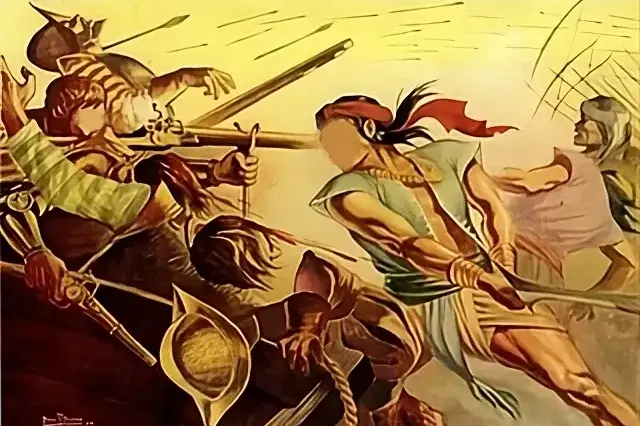
The First Crusade (1095–1099 CE) was successful largely due to the decentralized nature of the Muslim world at the time. When the Crusader forces captured Jerusalem in 1099, historical accounts record extreme brutality against Muslim and Jewish inhabitants—a devastating start to the conflict.
The Muslim Response: Defense of Haqq (Truth)
For Muslims, the arrival of the Crusader armies was seen purely as a savage, foreign invasion—a violation of sovereign territory.
- Long-Term Governance: Jerusalem and Palestine had been under stable Muslim governance for over four centuries (since 637 CE).
- Protected Minorities: Jewish and Christian communities lived there as dhimmis (protected minorities), generally enjoying religious autonomy.
- The Shock of Brutality: The massacres committed upon the Crusaders’ arrival created a lasting memory of cruelty and religious extremism, cementing the necessity of a defensive Jihad (struggle).
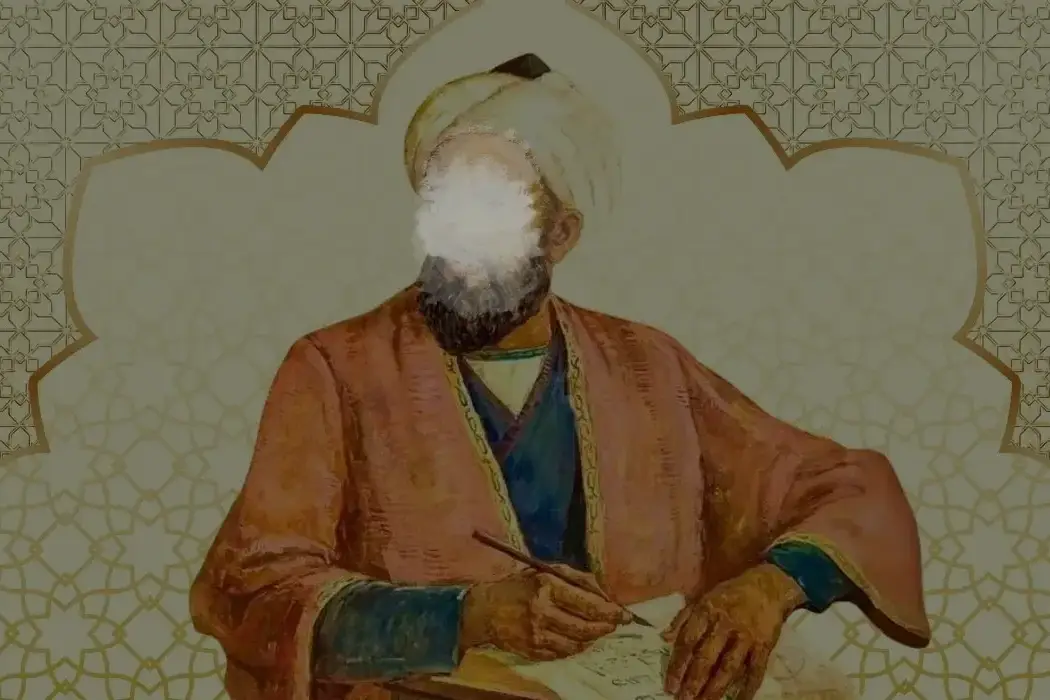
Great Muslim scholars, such as Imam al-Ghazali, wrote not only about the resistance to oppression but also about the ethical conduct that must be maintained even in warfare, underscoring the spiritual nature of the defense.
Saladin: The Triumph of Chivalry and Unity
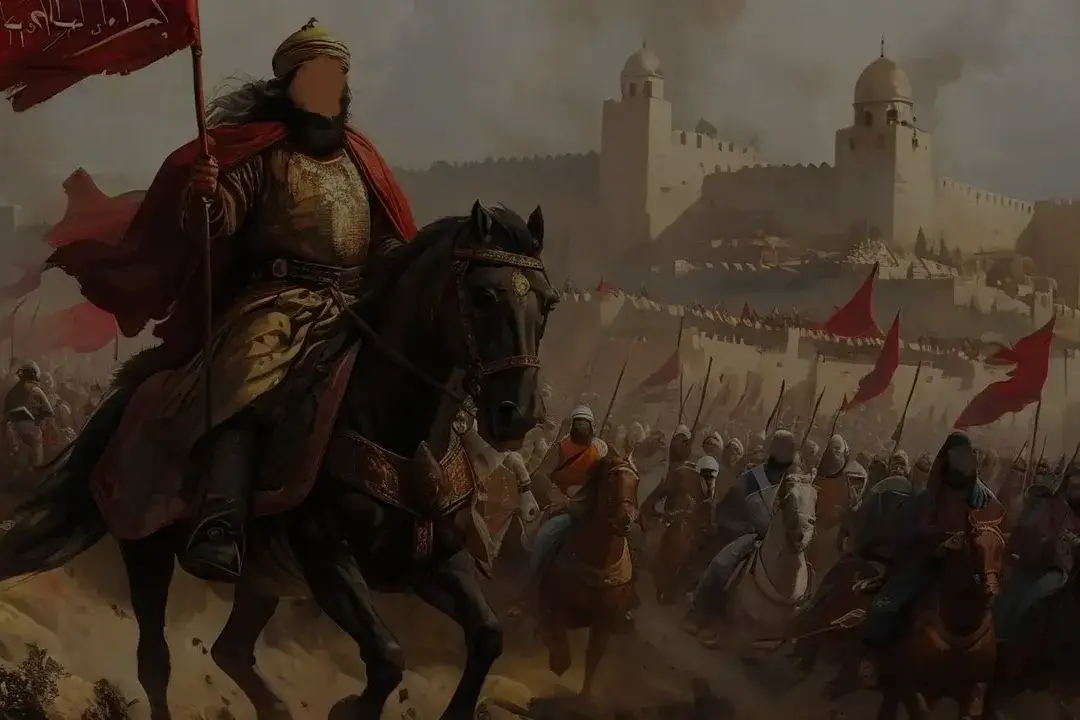
The tide of the conflict shifted decisively under the leadership of Salahuddin al-Ayyubi (Saladin), who successfully united the fragmented Muslim forces of Egypt and Syria.
His great victory at the Battle of Hattin (1187 CE) and the subsequent recapture of Jerusalem redefined the conflict. Saladin’s actions demonstrated a striking commitment to justice and Rahmah (mercy), even in victory:
- No Massacre: Unlike the Crusaders’ capture 88 years earlier, Saladin ordered no mass killings of civilians.
- Safety and Ransom: Christian civilians were granted safety, allowing them to leave the city peacefully, with the poor even having their ransoms paid by Saladin himself or his officials.
- Protection of Churches: The Holy Sepulchre and other Christian sites remained protected and accessible.
This magnanimity was so undeniable that Saladin became a revered figure for chivalry even among his European enemies, forever illustrating the moral gap between the initial invaders and the ethical code of the Muslim defenders.
Two Memories, One Shared Path
The Crusades ultimately failed to achieve their initial goals of permanent Christian control of the Holy Land. What they did achieve was a historical wound and a profound clash of narratives that continues to shape modern assumptions:
| The Western Memory (Often Simplified) | The Muslim Memory (The Reality of Invasion) |
|---|---|
| A noble quest for the physical heart of faith. | A brutal, unwarranted invasion driven by foreign politics. |
| Acts of piety and courage. | A necessary, defensive struggle against mass atrocities. |
| The goal was liberation. | The result was death and destruction. |
Today, a mature understanding of this history requires acknowledging the complexity:
- Violence in the name of God always distorts the core message of both Islam and Christianity, which command peace, mercy, and justice.
- Jerusalem remains sacred, demanding shared responsibility and respect from multiple religious communities.
The Crusades were a collision of political ambition overriding spiritual values. By seeing history through both lenses, we replace hostility with human understanding. The past cannot be undone, but our commitment to the Abrahamic principles of compassion and justice—shared by the children of Abraham, Moses, and Jesus—is the only path to a constructive future.