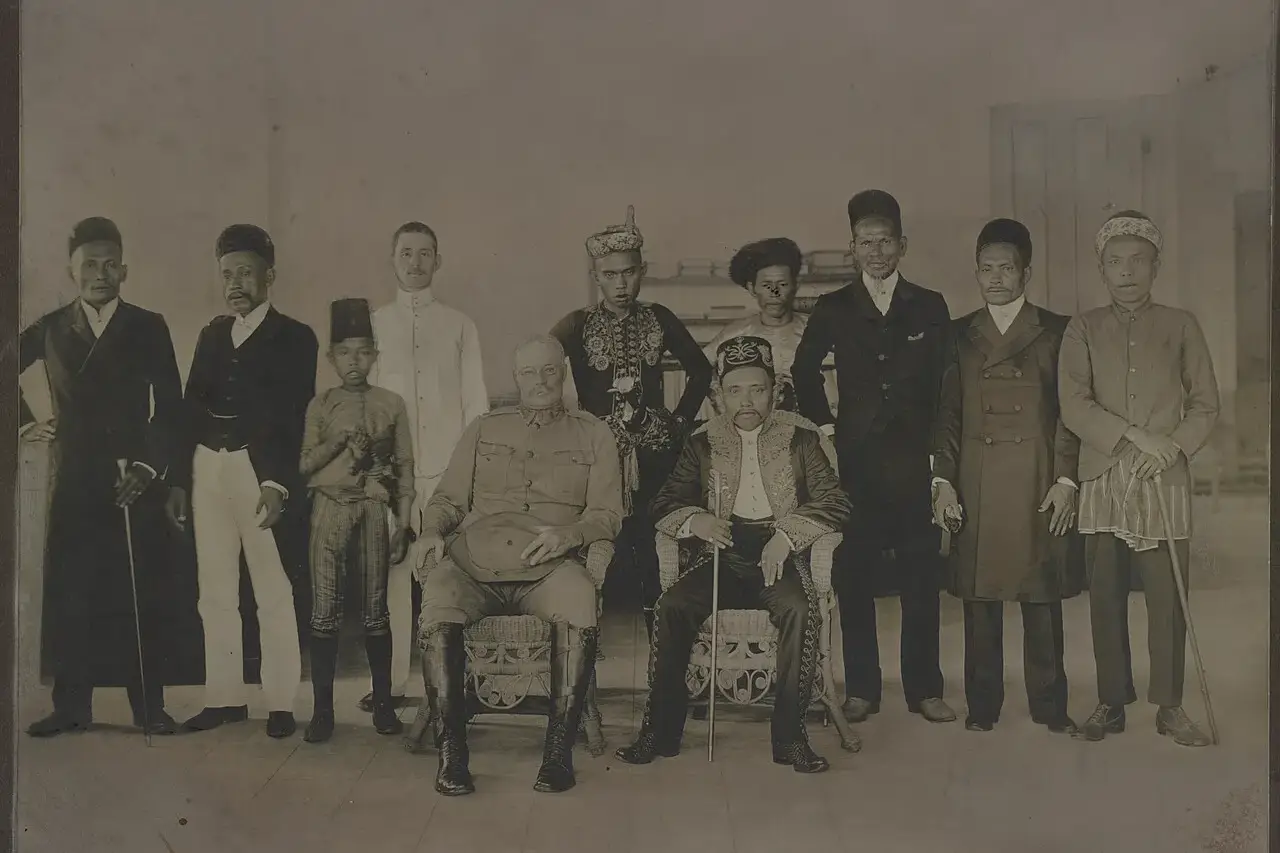

When the Spanish fleets arrived in the 16th century, the Philippines they encountered looked radically different from the nation we know today. Thriving coastal kingdoms governed by powerful Rajahs controlled the archipelago, driven by diplomatic and maritime trade networks.
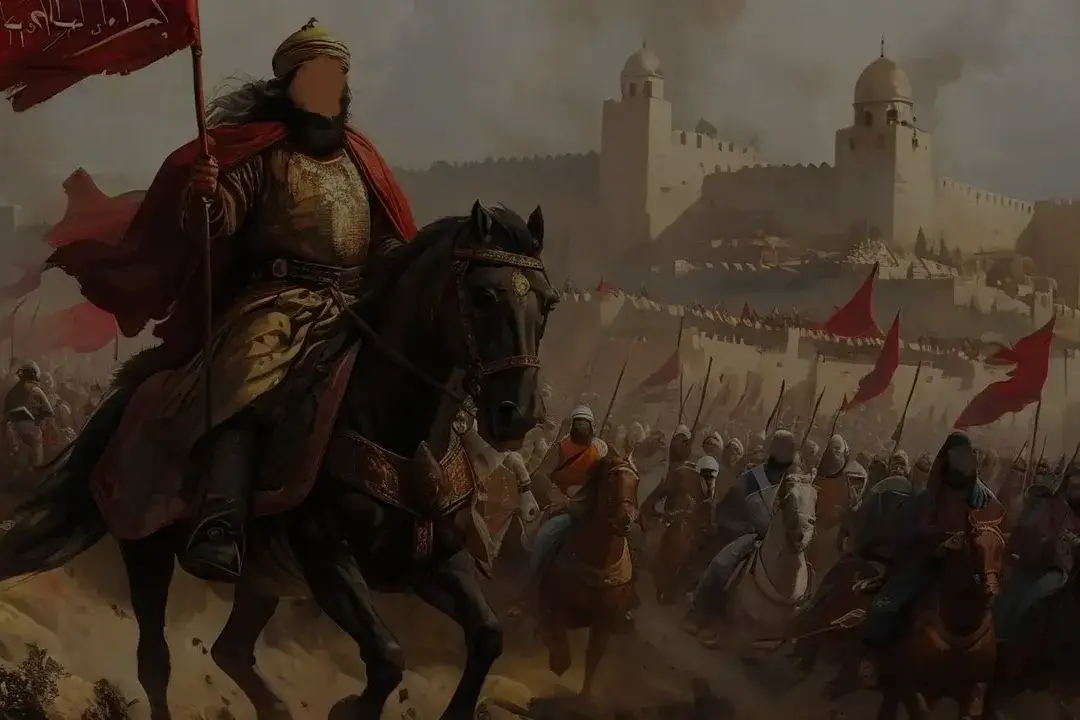
Among these powerful polities stood the Kingdom of Tondo, located in what is now modern-day Manila. At its heart was Rajah Sulayman, a brave and deeply principled Muslim ruler remembered as the ultimate defender of Luzon against foreign conquest. His story is the missing first chapter of Filipino resistance.
1. Islam in Luzon: A Foundational Heritage
Many people today are surprised to learn that Islam was already a vibrant and foundational presence in the Philippines—not just in Mindanao, but throughout Luzon.
- A Two-Century Head Start: The Islamization of the Philippines began almost 200 years before Spain’s arrival, spreading through the peaceful influence of scholars, traders, and Sufis from Brunei, Arabia, and the larger Malay world.
- A Royal Lineage: Rajah Sulayman, whose name honors the Prophet Solomon (Sulayman, peace be upon him), belonged to a royal lineage deeply connected to the powerful Bruneian Sultanates.
- Manila’s Identity: Before 1570, Manila was a sovereign city where mosques flourished, and Islamic governance and customs guided political and social life.
2. The Unyielding Stand: “I Will Never Submit”
In 1570 CE, when Spanish conquistadors demanded allegiance to the Spanish crown, Rajah Sulayman’s response defined the spirit of Filipino defiance:
“I will never submit to any foreign king, nor to any foreign nation!”
This courage set the tone for three centuries of Filipino resistance. Sulayman, alongside his relatives Rajah Matanda of Manila and Lakan Dula of Tondo, unified their forces and confronted the Spanish troops. The ensuing Battle of Bangkusay (1571) resulted in a devastating loss for the Filipinos, who were outmatched by Spanish weaponry and manpower.
However, the battle’s legacy was profound: it proved that the people of Luzon were willing to fight to the death to defend their faith, sovereignty, and honor against the world’s most powerful empire.
3. The Erasure of Manila’s Muslim Past
One of the greatest tragedies of colonization is the systemic erasure of this history. Modern narratives often lead Filipinos to believe:
- Islam is a regional religion belonging only to the southern islands.
- Christianity alone shaped Filipino national identity.
- Manila’s history began with Spanish rule.
Rajah Sulayman stands as a powerful correction to this historical distortion. He reminds us that before crosses were raised, there were mosques; before friars ruled, there were rajahs and sultans. Manila’s roots are not just colonial—they are deeply Islamic and indigenous.
4. Rajah Sulayman: A Timeless Symbol
Rajah Sulayman’s life is a universal lesson in ethical leadership and uncompromising integrity. He stands as a warrior of:
- Faith: Committed to the justice (Adl) inherent in Islamic principles.
- Freedom: Refusing to surrender sovereignty or dignity.
- Honor: Upholding the ideal that oppression must never be accepted as normal.
For Muslim Filipinos, Rajah Sulayman is far more than a historical figure; he is a symbol of resilience, a foundational figure of their identity, and a profound source of pride.
Conclusion: Reclaiming Our Identity
Rajah Sulayman and the Kingdom of Tondo remind us that Islam is not a foreign influence in the Philippines—it is a foundational part of its heritage. Long before colonizers redrew the map and rewrote the narrative, a brave, faithful, and unyielding Muslim king stood in Manila.
His legacy asks us a powerful question for our modern world: What parts of our identity have we forgotten—and when will we reclaim them?