
When we map the great Islamic empires, our minds often jump to the Ottomans, the Abbasids, or the cultural beacon of Al-Andalus. Yet, far across the maritime expanse of Southeast Asia, a proud Muslim kingdom flourished for over 400 years—the Sultanate of Sulu.
Situated between the Sulu Sea and the Celebes Sea, this maritime titan became a central hub of Islamic faith, global trade, and strategic resistance. Its story is often overlooked in global history books, yet its legacy remains alive and pulsing in the identity of the Moro people of the Southern Philippines today.
1. The Quiet Arrival: Islam by the Sea
Unlike regions conquered by armies, Islam reached the Philippine archipelago through the peaceful, persuasive routes of maritime trade and scholarship. Muslim merchants, scholars, and Sufi preachers from Arabia, India, and the Malay world guided the expansion.
The foundational figures of the Sultanate were scholars, not generals:
- Karim al-Makhdum (14th Century): The scholar who established the region’s first recorded mosque—Masjid al-Makhdum—a symbol of faith still standing today.
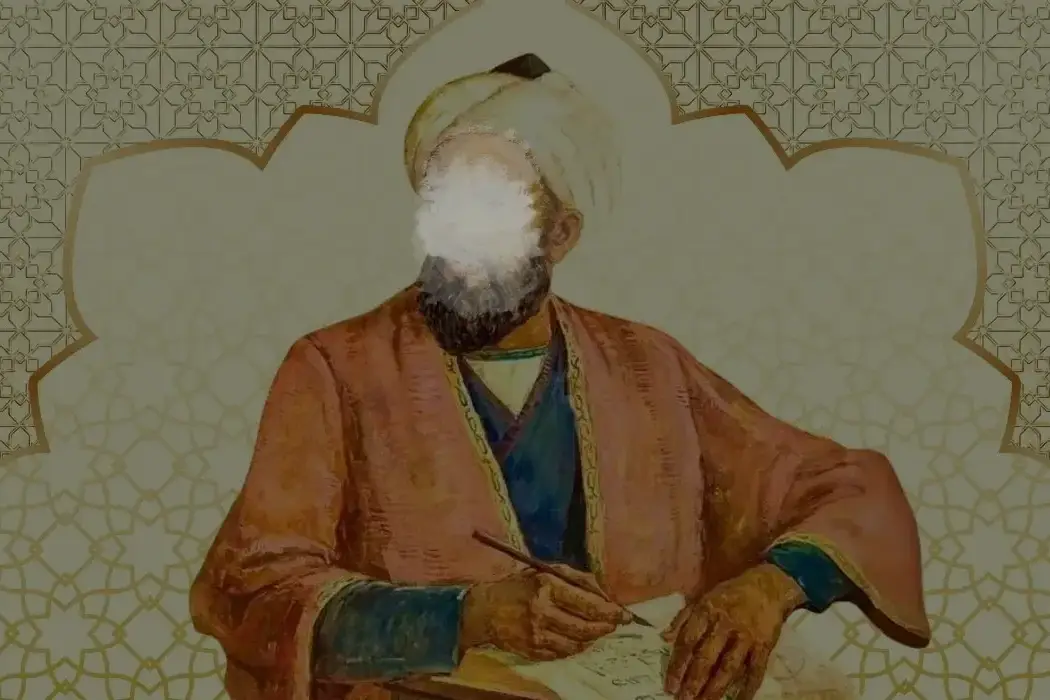
- Sharif ul-Hashim (15th Century): A noble descendant of the Prophet (ﷺ) who transformed Islam from a localized religion into a full-fledged governing system. In 1457, he became the first Sultan, establishing a political structure rooted in justice, education, and Sharia.
2. A Maritime Empire Built on Islamic Law
Islam provided the moral and legal foundation for the Sultanate’s sophisticated governance. The system was structured around:
- Sharia Courts: Ensuring legal consistency, justice, and social affairs were handled with scholarly oversight (Qadis).
- Literacy: Arabic literacy spread rapidly with the study of the Qur’an, merging local cultural traditions beautifully with Islamic values.
At its height, Sulu was a formidable naval power, controlling the Sulu Archipelago, parts of Mindanao, and North Borneo (modern-day Sabah). This control secured lucrative trade in pearls, sea cucumbers, spices, and exotic goods, connecting the islands directly to the global Muslim commerce networks of Asia and the Middle East.
3. Three Centuries of Defiance: The Birth of the Moro Identity
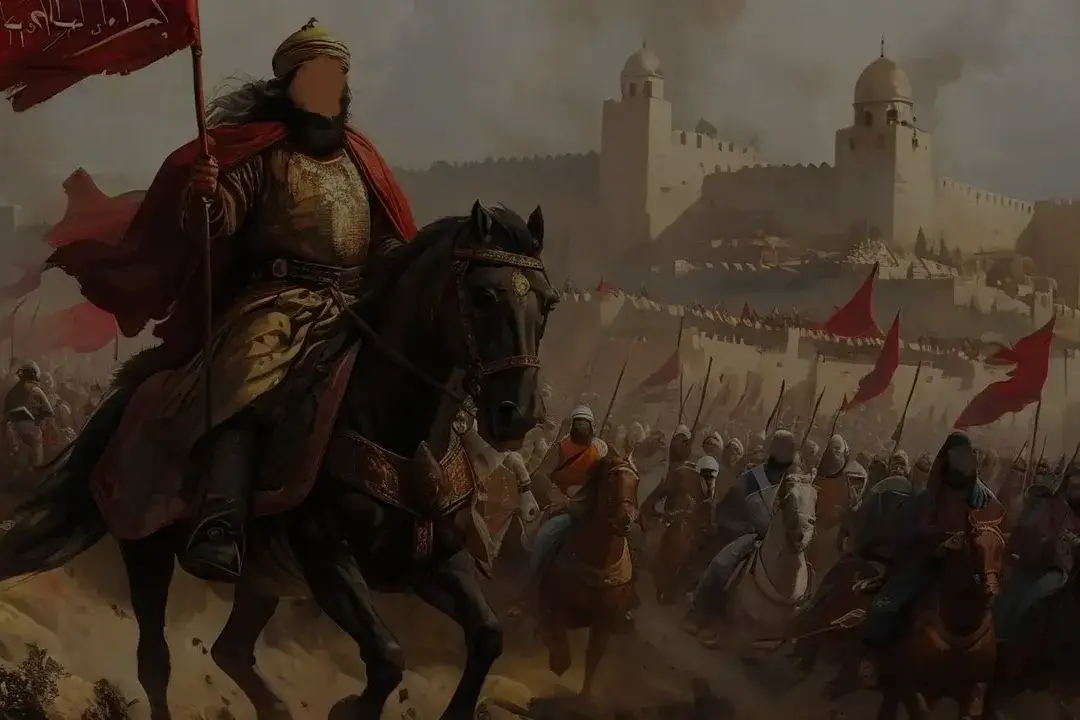
The arrival of the Spanish in the 1500s marked the beginning of a relentless, centuries-long conflict. Unlike the northern and central regions of the Philippines, the Sultanate of Sulu refused to be colonized.
For more than 300 years, the Sultans and the Tausug people resisted Spanish attempts at control and forced conversion. This struggle—the Moro Wars—was characterized by fierce dedication and unwavering courage, forging a distinct identity for the resilient Muslim population of the south.
Their dedication to faith and honor was captured in their simple, powerful motto: “Death before dishonor.” This spirit of resistance continued through the subsequent American and Japanese occupations, defining the enduring fight for autonomy.
4. The Geopolitical Legacy: The Sabah Controversy
The influence of the Sultanate is not merely historical; it continues to shape geopolitics today. The longstanding claim over Sabah (North Borneo) stems from a complex agreement in 1878, where the Sultan leased the territory to the British.
To this day:
- The Sultanate’s heirs still receive annual payments for Sabah.
- The Philippines maintains an official diplomatic claim on the territory.
This enduring dispute serves as a stark reminder that the sovereignty established by this Islamic kingdom centuries ago remains a sensitive, unresolved international issue.
5. A Forgotten Chapter Worth Reviving
The Sultanate of Sulu reminds the global Ummah that Islamic civilization reached far beyond the major centers of power, proving its adaptability and strength in diverse maritime environments.
Its history is a testament to:
- Courage in defending faith against overwhelming colonial powers.
- Unity through the foundational principles of Islam.
- Resilience in preserving culture and identity.
For young Filipino Muslims, the story of Sulu is not just a local history; it is a direct link to a global Islamic heritage of knowledge, justice, freedom, and dignity. It is a powerful call to rediscover and uplift the richness of their unique Islamic roots.