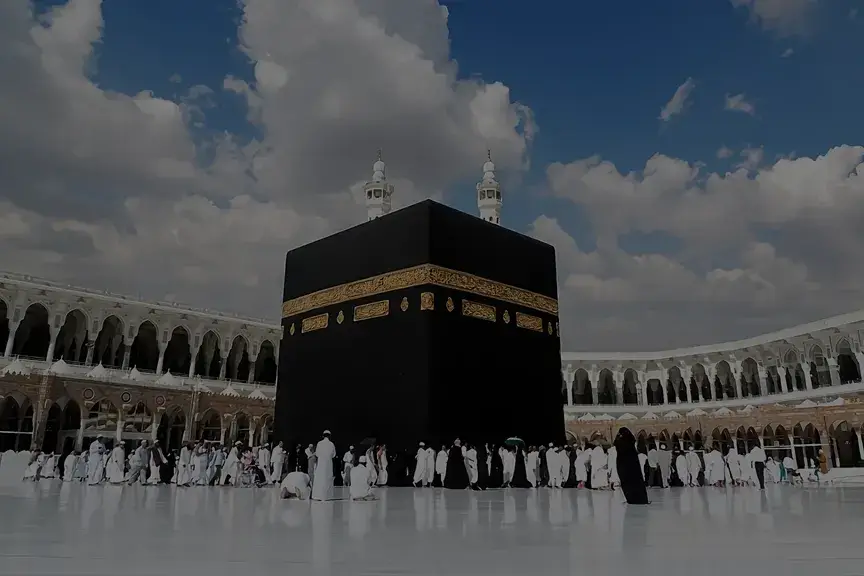

Understanding who Allah is lies at the heart of Islam. For many unfamiliar with the faith, the name “Allah” may initially sound foreign or specific only to Muslims. In reality, Allah is simply the Arabic word for God, the same God worshipped by Abraham, Moses, Jesus, and all the prophets (peace be upon them). Arabic-speaking Muslims, Jews, and Christians all use the word Allah to refer to the One Creator.
Islam teaches that Allah is the One and Only God, without partners, equals, or likeness. He is not represented by images, symbols, or statues, and He does not take on human form. Muslims worship Allah alone as the Creator of everything that exists. He is All-Knowing, All-Wise, and All-Merciful.

Key Beliefs About Allah in Islam
Muslims learn about Allah through the Qur’an and the teachings of the Prophet Muhammad ﷺ. Below are core beliefs that help explain who Allah is in Islam:
1. Allah Is One and Unique
Islam is built on pure monotheism (tawhid). Allah has no family, no partners, and no rivals. Nothing in creation resembles Him, and only He deserves worship.
2. Allah Is the Creator of Everything
Every aspect of the universe, including the heavens, earth, nature, and human life, exists by His will. He created life with wisdom and purpose.
3. Allah Is Merciful and Compassionate
Two of His most mentioned names are Ar-Rahman (The Most Merciful) and Ar-Rahim (The Most Compassionate). His mercy surrounds all of creation and surpasses any human compassion.
4. Allah Is Just and All-Knowing
Allah is aware of everything, including our actions, thoughts, and intentions. He judges with complete fairness and nothing is hidden from Him.
A Clarification About a Common Misconception
Some misunderstandings claim that Allah is a “moon god” or a deity worshipped only by Arabs. Islam rejects this completely. Allah is not a tribal god or an idol. He is the same God who revealed:
- the Torah to Moses
- the Psalms to David
- the Gospel to Jesus
- the Scrolls to Abraham
(peace be upon them all)
Islam teaches that one continuous message was sent through all prophets, guiding humanity to worship the One True God.
Allah as Described in the Qur’an
When people questioned the Prophet Muhammad ﷺ about Allah, the following chapter was revealed:
“Say: He is Allah, the One.
Allah, the Eternal Refuge.
He neither begets nor is born,
nor is there anything comparable to Him.”
(Qur’an 112:1-4)
This chapter summarizes Allah’s uniqueness and complete independence from creation.
The Qur’an also provides a beautiful example of His light and guidance:
“Allah is the Light of the heavens and the earth…” (Qur’an 24:35)

How Muslims Connect With Allah
Islam teaches that every person can connect with Allah directly without intermediaries. This connection is developed through:
- Prayer (Salah): Daily worship, reflection, and gratitude
- Supplication (Dua): Calling upon Allah personally for guidance, help, and forgiveness
- Remembrance (Dhikr): Keeping the heart attached to Allah throughout the day
- Reading the Qur’an: Seeking wisdom, comfort, and clarity
This connection brings inner peace, purpose, and strength to the believer.
Allah’s Names and Attributes
Allah has many names and attributes that describe His perfection. Some highlight His mercy and kindness, such as Al-Rahman (Most Merciful) and Al-Wadud (Most Loving). Others show His power and majesty, such as Al-Malik (The King) and Al-Aziz (The Mighty).
A well-known hadith of Prophet Muhammad ﷺ states:
“My mercy overcomes My anger.”
(Sahih al-Bukhari)
This teaches that although Allah is just, His mercy is greater and always available to those who seek Him sincerely.
Why Knowing Allah Matters
Understanding Allah gives meaning and direction to life. It shapes a person’s moral values, character, and purpose. When people learn about their Creator, they gain:
- clarity and meaning in life
- comfort during hardship
- moral guidance and inner peace
- a sense of purpose and belonging
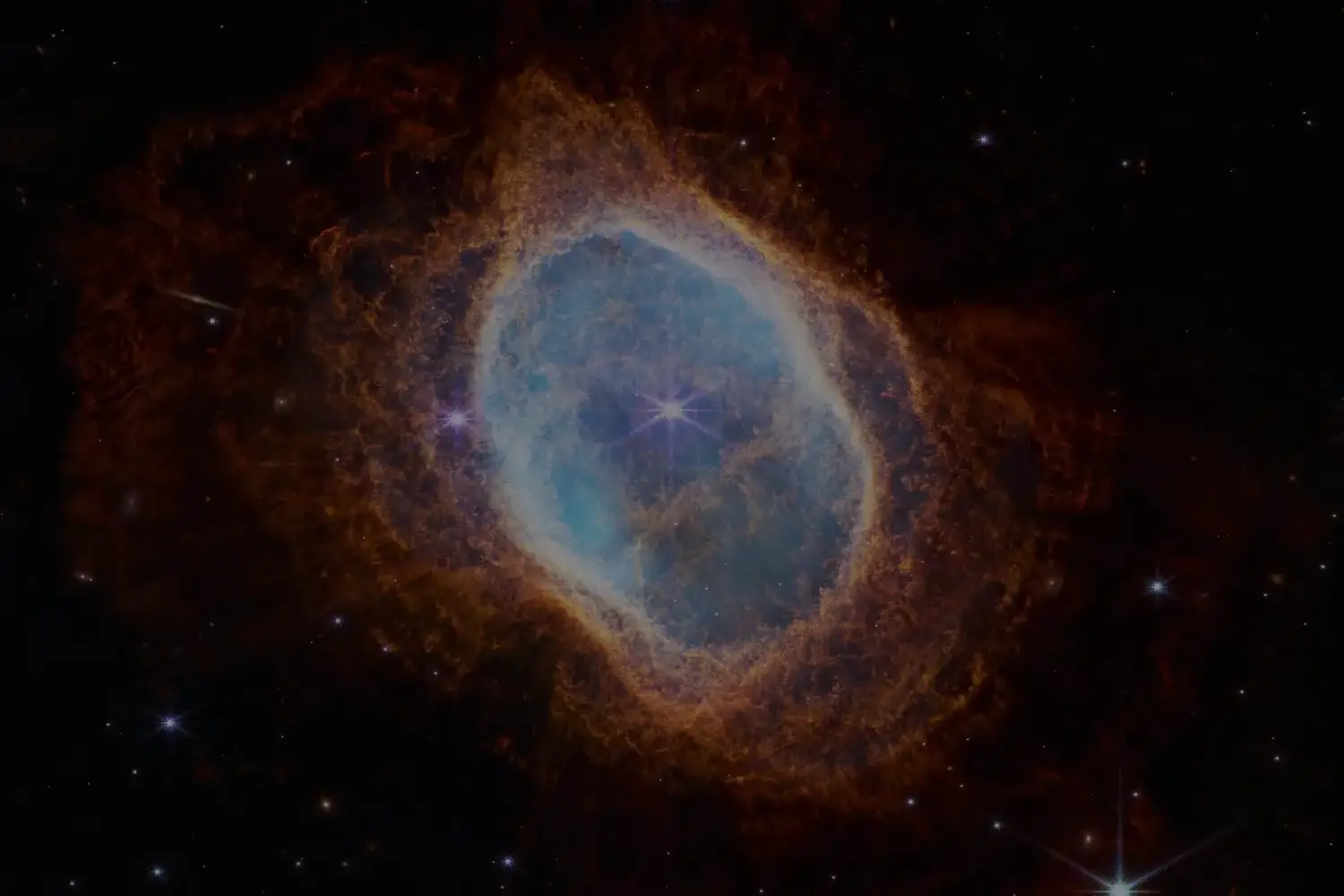
Reflecting on creation, nature, the human body, and the universe strengthens recognition of Allah’s power, care, and wisdom.
In Summary
Allah is the One True God, the Creator and Sustainer of everything. He is Merciful, Just, Loving, and closer to us than we may realize. Islam encourages everyone to learn about Allah with sincerity, reflect on His signs in creation, and build a direct personal relationship with Him.
To Him we belong, and to Him is our return.
Frequently Asked Questions
1. Is Allah only the God of Muslims?
No. Allah is the Arabic word for God, and Arabic-speaking Jews and Christians also use the word Allah. Muslims believe that Allah is the same God worshipped by Abraham, Moses, Jesus, and all the prophets.
2. Why do Muslims say “Allah” instead of “God”?
“Allah” is a precise term in Arabic that refers to the One and Only God. Unlike the word “god” in English, which can be plural or used for any deity, Allah refers specifically to the One True God with no partners or equals.
3. Do Muslims believe Allah has a physical form?
No. In Islam, Allah is not human, not part of His creation, and cannot be visualized or represented in images or statues. Nothing resembles Him.
4. If Muslims believe in Allah, why don’t they believe Jesus is God?
Muslims believe in Jesus (peace be upon him) as a prophet and messenger of God, not as God Himself. Islam teaches that Jesus called people to worship the One God, not himself.
5. Can anyone speak directly to Allah or pray to Him?
Yes. Islam teaches that every person can speak directly to Allah through prayer and supplication, without any intermediaries. Muslims can call upon Him anytime, anywhere.