
The Qur’an is more than a spiritual guide—it is a perpetual invitation to think, reflect, and investigate its truth. One of the most compelling indicators of its Divine origin is its accurate predictions about events that were utterly impossible for anyone in the 7th century Arabian Peninsula to foresee.
These are not vague pronouncements, but prophecies that are specific, verifiable, and historically fulfilled, demonstrating a knowledge not bound by time—a knowledge belonging only to the Creator of time, the Knower of the Unseen (Al-Ghayb).
1. The Geopolitical Upset: Rome’s Impossible Victory
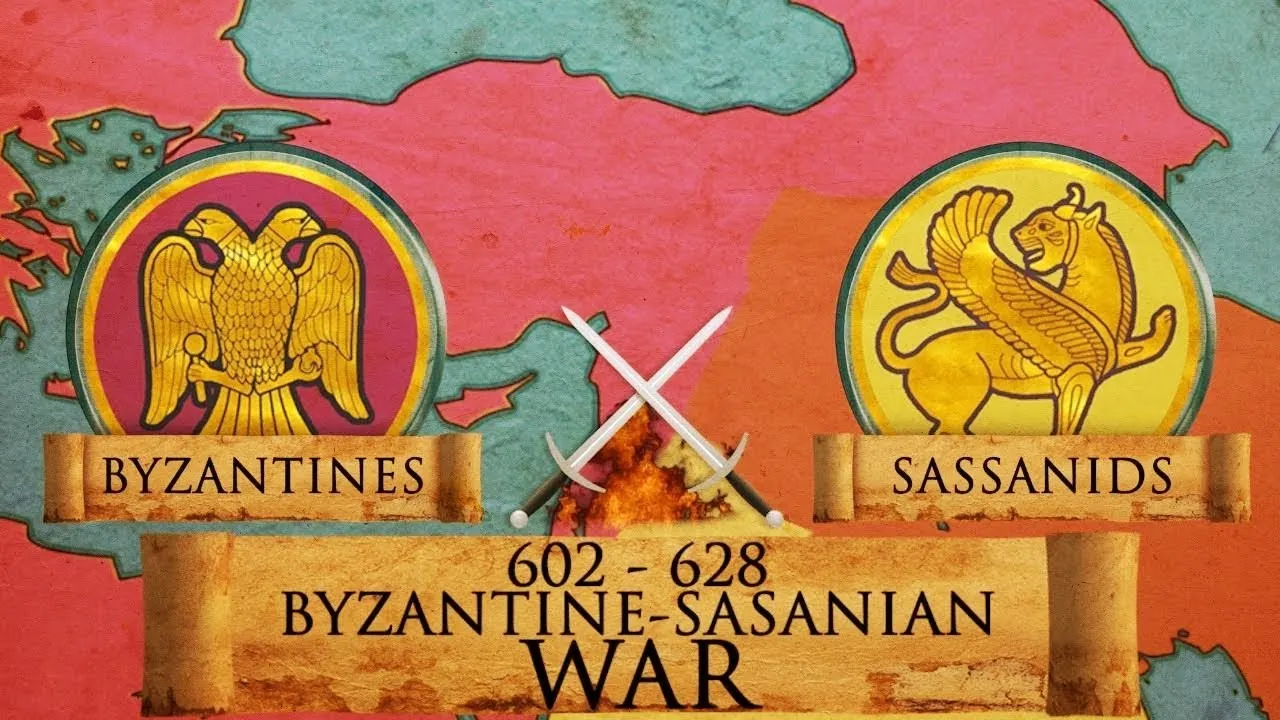
The political landscape of the 7th century was defined by a massive conflict between the two superpowers: the Christian Byzantine Empire (Romans) and the Sasanian Persian Empire.
- The Context (614 CE): The Persians achieved a crushing victory, capturing Jerusalem and pushing the Byzantine Empire to the brink of collapse. Arabs and others widely believed Rome was finished.
- The Prophecy (615-620 CE): At this exact moment of Roman devastation, the Qur’an made a stunning, counter-intuitive prediction:
“The Romans have been defeated in the lowest land. But after their defeat, they will be victorious within three to nine years.” (Qur’an 30:2–4)
This prophecy specified who would win, the time frame (3–9 years), and the location (the Dead Sea region, the lowest land on earth).
- The Fulfillment: Within just seven years (622–627 CE), the Byzantine Emperor Heraclius launched a miraculous counter-attack, achieving a stunning comeback victory over the Persians—exactly as foretold, against all historical odds.
2. Historical Integrity: The Preserved Pharaoh
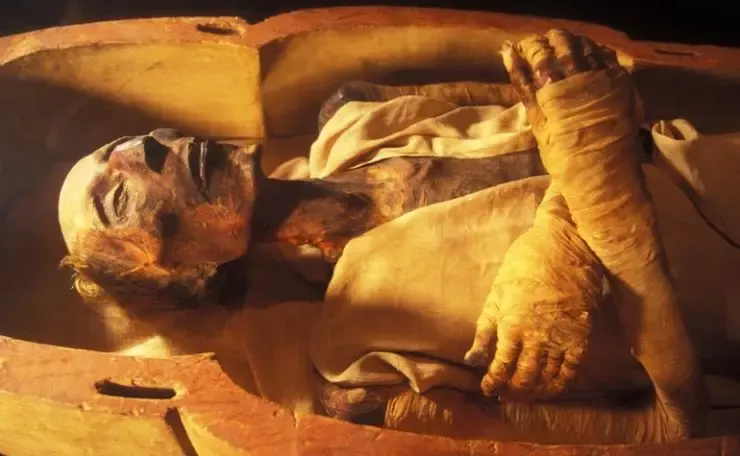
The Qur’an makes a remarkable claim regarding the Pharaoh who pursued Prophet Moses (peace be upon him) and drowned in the Red Sea.
“…We will save you in your body so you may be a sign for those after you.” (Qur’an 10:92)
At the time of this revelation, such a promise seemed impossible, as bodies of drowned kings were often assumed lost forever. Yet, this became a prophecy fulfilled over 3,000 years later. The preserved mummy widely identified as Ramesses II (or Merneptah), ruling during the Exodus period, was discovered in the 19th century and remains one of the most intact and studied historical figures in museums today—standing as a physical sign for all subsequent generations.
3. The Literary Miracle: Perpetual Preservation
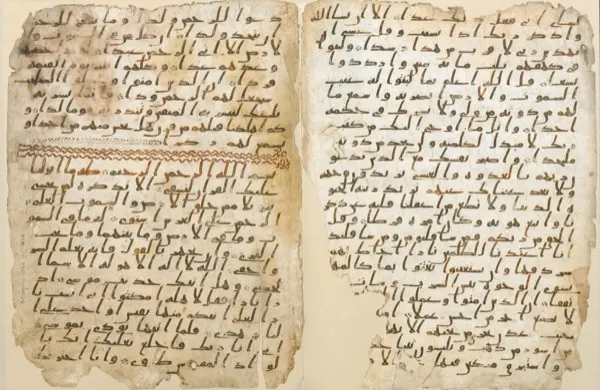
The Qur’an made a bold, self-referential promise about its own destiny and survival:
“Indeed, it is We who sent down the Reminder, and surely We will preserve it.” (Qur’an 15:9)
Despite centuries of global conflict, attempts to ban or burn the text, and the inevitable decay of language and empires, the Qur’an remains:
- Completely preserved, word for word.
- Memorized identically by millions in the original Arabic language.
- The world’s most recited book, possessing zero textual versions or editions.
No scripture in history has a preservation record remotely close to this level of perfection, validating the divine guarantee.
4. The Global Triumph: The Spread of Light
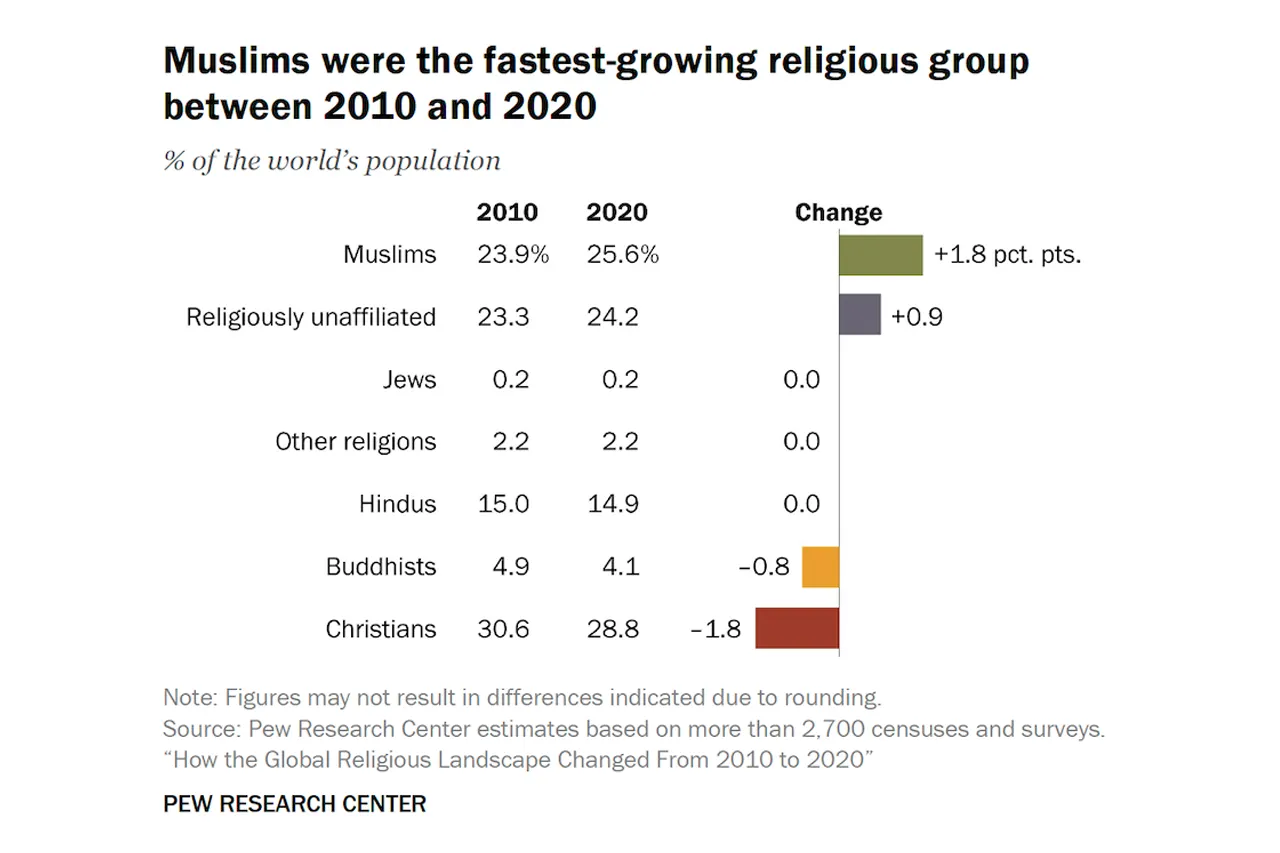
When Muslims were a small, oppressed minority in Mecca, facing existential threats, the Qur’an promised ultimate victory:
“Allah will perfect His light, even if the disbelievers hate it.” (Qur’an 61:8)
Furthermore, the Prophet Muhammad (peace be upon him) assured his followers:
“This matter will reach every place where night and day reach.” (Musnad Ahmad)
What seemed impossible in the confines of 7th-century Mecca is the reality of our time. Islam is now the world’s fastest-growing major faith, having reached virtually every nation on Earth, with Muslims numbering nearly 2 billion and rising—a direct fulfillment of this seemingly impossible promise.
5. Modernity Foretold: Unfolding Prophecies of the Hadith
Beyond the Qur’an, the Prophet Muhammad (peace be upon him) conveyed remarkable prophecies through authentic Ahadith (narrations), providing divinely inspired glimpses into the far future. Many are becoming startlingly visible today:
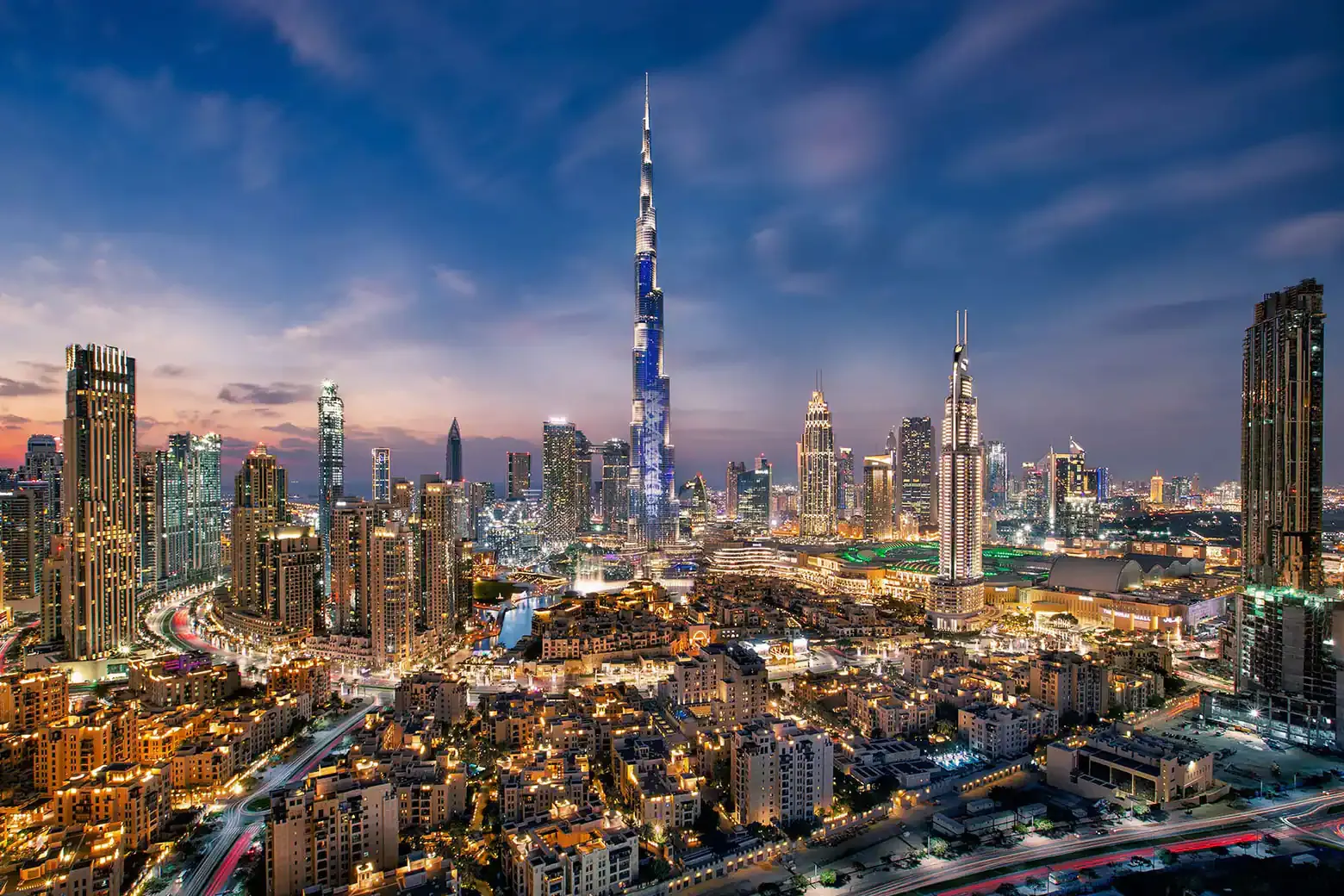
- The Race for Altitude: “People will compete in constructing tall buildings.” (Sahih Muslim 1:2). Today, the tallest, most extravagant skyscrapers stand in the Arabian Peninsula, fulfilling what was once unimaginable.
- Wireless Communication: “A person will speak to his whip… and his shoelaces will speak to him.” (Musnad Ahmad). This description of small, speaking, and portable communication devices (smartphones, earbuds, wireless accessories) perfectly encapsulates modern technology.
- The Desert Blooms: “The land of Arabia will return to meadows and rivers.” (Sahih Muslim 157). Through massive irrigation projects, artificial rivers, and green megacities, the barren Arabian desert is rapidly transforming.
- Shifting Social Norms: “Among the signs of the Hour: men will imitate women and women will imitate men.” (Sunan al-Tirmidhi). This accurately describes the fluid, culturally debated shifts in modern gender identity, fashion, and social trends.
🕊️ Final Reflection: The Challenge of Truth
These fulfilled prophecies serve as powerful evidence that the One who revealed the Qur’an is: Not limited by time, All-Knowing, and the true Lord of history.
The Qur’an boldly challenges humanity to scrutinize it:
“If it had been from anyone other than Allah, you would have found many contradictions in it.” (Qur’an 4:82)
After over 1,400 years of intense scrutiny from scholars, historians, and critics, no genuine contradiction has been found. The Qur’an is not a book trapped in the 7th century—it is a message from the One who sees the past, present, and future as a single reality.
Its message is not merely to amaze, but to awaken:
“This is the Truth from your Lord—so do not be among the doubters.” (Qur’an 2:147)