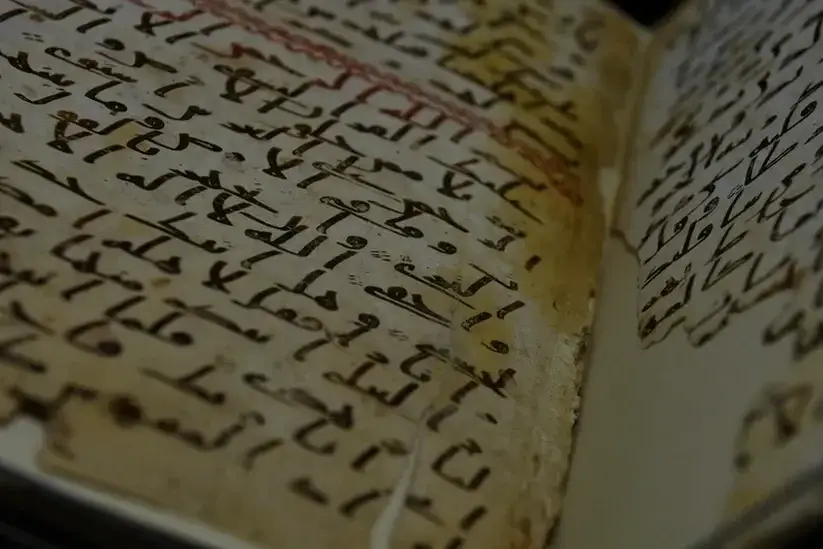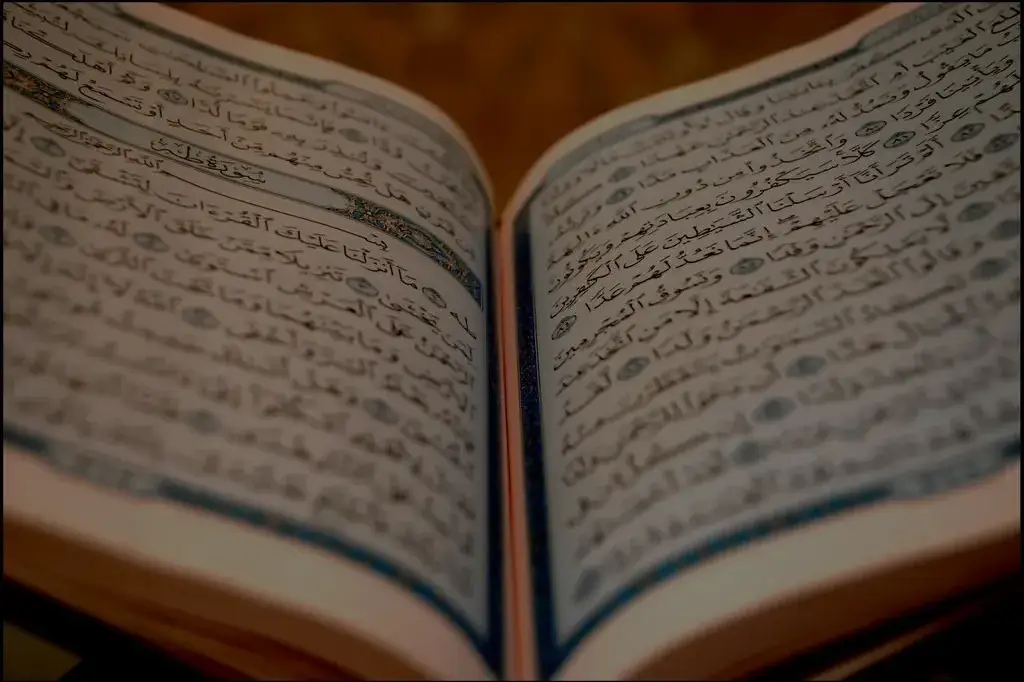

The preservation of the Qur’an stands as one of the greatest historical and spiritual miracles of Islam. Over 14 centuries have passed since its revelation to Prophet Muhammad (peace be upon him) began, yet Muslims across the globe today recite the exact same words, without the alteration of a single verse or letter.
This flawless safeguarding is unparalleled among major world scriptures, many of which grapple with multiple versions, revisions, and historical gaps. The secret lies not in a single event, but in a dual system of simultaneous preservation, rooted in a Divine promise:
“Indeed, it is We who sent down the Reminder (the Qur’an), and indeed, We will be its guardian.” (Qur’an 15:9)
This promise was fulfilled through a human process so meticulous it created an unbreakable chain of transmission.
1. The Living Miracle: Preservation by Memory

The moment verses were revealed, the companions of the Prophet (Ṣaḥābah) dedicated themselves to instant memorization. The Prophet himself set the standard, reviewing the entire revelation annually with Angel Jibrīl (Gabriel). This established an oral tradition of the highest rigor.
- Instantaneous Transmission: Companions, known as Qurrā’ (reciters), would repeat the newly revealed verses immediately.
- Global Backup: By the time the Prophet passed away, thousands of men, women, and children had committed large portions—and many the entire text—to memory.
- Constant Verification: The daily obligatory prayers (Salat) ensured the continuous, communal recitation of verses, establishing a self-correcting feedback loop that immediately exposed any deviation.
To this day, millions of Ḥuffāz (memorizers) maintain this tradition, creating a global, human chain of transmission (Sanad) that stands as an active, living witness to the text’s authenticity. If every physical copy of the Qur’an were to vanish, the memorizers could accurately reconstruct it within hours.
2. The Physical Record: Preservation by Pen

Complementing the oral tradition was an equally rigorous process of written documentation. Every single verse was transcribed immediately, under the direct supervision of the Prophet (peace be upon him).
- Dedicated Scribes: The Prophet appointed several scribes to record the verses, using the materials available in 7th-century Arabia: parchment, leather, bone fragments, and flat stones.
- Divine Ordering: The Prophet did not leave the arrangement to human preference. He dictated the exact wording and identified the precise placement of each verse within its respective chapter (Sūrah)—a structure revealed directly by God. He forbade the alteration of even a single letter.
- The Master Text: This collection of scattered, authenticated written materials served as the definitive, physical record during the Prophet’s lifetime.
3. The First Unified Compilation (Caliphate of Abu Bakr)

The preservation system faced its first critical test after the Prophet’s passing, when many Qurrā’ (reciters and memorizers) were martyred in battles. Fearing the loss of the oral source, the first Caliph, Abu Bakr, ordered the official compilation of the written text into a single manuscript (al-Mushaf).
- The Validator: The task was entrusted to Zayd ibn Thābit, a primary scribe and memorizer who had heard the final recitation of the Qur’an from the Prophet.
- Double Authentication: Zayd’s methodology was unyielding: every single verse was required to be validated by two independent sources:
- Written Material: Confirmed from written parchments authenticated by the Prophet’s time.
- Memorized Verification: Verified by at least two companions who had heard the verse directly from the Prophet.
This meticulous, zero-uncertainty process resulted in the official Master Copy, which was entrusted to the Prophet’s wife, Hafsah (may Allah be pleased with her).
4. Standardization and Global Distribution (Caliphate of Uthman)

The final step in ensuring universal preservation occurred during the reign of the third Caliph, Uthman ibn Affān. As Islam rapidly expanded, slight regional variations in recitation (Qirā’āt)—primarily differences in dialect—began to emerge. To prevent any future deviation, Uthman took decisive action:
- The Uthmanic Muṣḥaf: He commanded the production of several identical, official copies of the Qur’an based on the Master Copy held by Hafsah.
- Unifying the Script: These copies were written in a unified script, serving as the definitive standard for all Muslims.
- Global Dissemination: Identical copies were distributed to the major centers of the burgeoning Islamic Empire (Mecca, Kufa, Basra, Damascus), and the regional variants were officially retired.
This act permanently sealed the textual integrity of the Qur’an, preventing the emergence of alternative versions—a fate that distinguishes the Qur’an from nearly all other major religious texts.
The Unbreakable System: One Book, One Message
The preservation of the Qur’an is an unbroken system, safeguarded by four interwoven pillars:
- Text: A physical, historically verified written record.
- Memory: A perpetual chain of memorizers spanning the globe.
- Practice: Continuous, daily recitation in the ritual prayers.
- Language: The permanence of classical Arabic, which remains universally studied and understood by the faithful.
Whether you travel to the far reaches of Asia, the heart of Africa, or the Americas, you will find the exact same chapters, the exact same verses, and the exact same words. The Qur’an today is the same Qur’an revealed 1400+ years ago—a living miracle and a testament to God’s flawless promise of protection.