
When people think of medieval Europe, they often imagine an era of darkness, feudal war, and religious intolerance. Yet, during that exact same period (8th to 15th century), a remarkable civilization thrived in the Iberian Peninsula—Al-Andalus—where Muslims, Christians, and Jews lived, learned, and built together for centuries.
Islamic Spain was not merely a stable kingdom; it was one of the most intellectually and artistically advanced societies on Earth—a profound and often forgotten beacon of multicultural progress. Its story fundamentally challenges the modern assumption that faith must inevitably lead to conflict.
1. The Principle of Protection: Faith-Driven Harmony
Unlike the violence of the Crusades, Al-Andalus demonstrated the possibility of harmony rooted in Qur’anic governance. The principle of Ahl al-Kitāb (People of the Book) provided a framework for shared society:
“There is no compulsion in religion.” (Qur’an 2:256)
Under Muslim governance, the Jewish and Christian communities were guaranteed religious freedom, allowing them to remain protected minorities (dhimmis). This policy led to a vibrant social ecosystem:
- Churches and synagogues remained active and protected.
- Minority communities governed their personal affairs by their own religious laws.
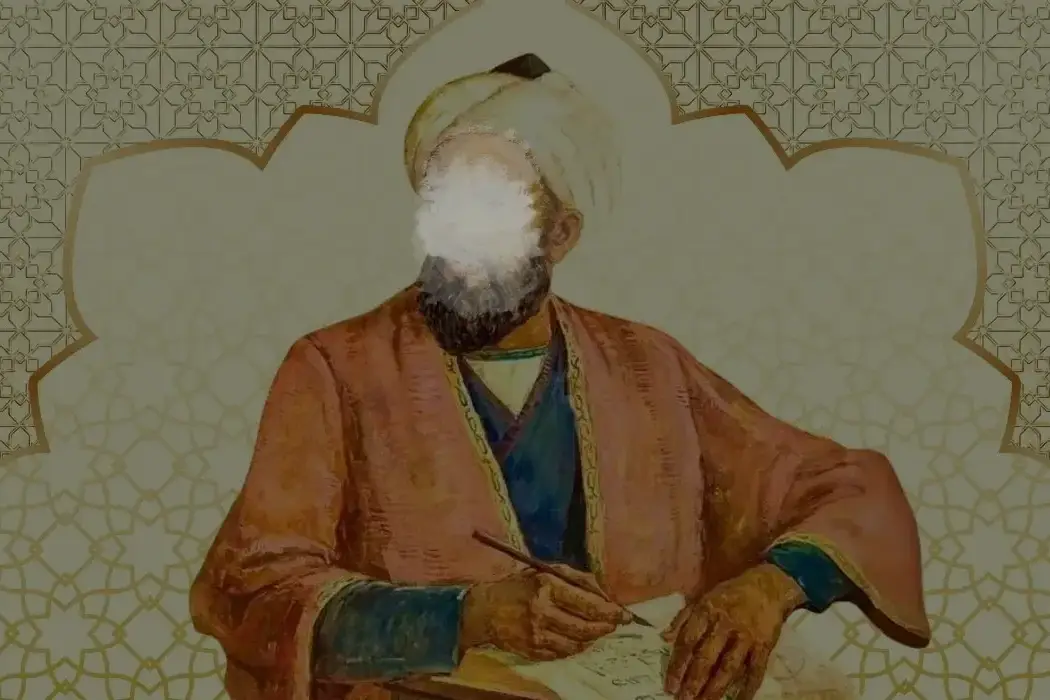
- Scholars and physicians of all three backgrounds worked together, creating a singular intellectual movement.
This collaboration fueled social mobility, proving that diversity could enrich society rather than tear it apart.
2. The Global Intellectual Engine
At a time when much of northern Europe struggled with intellectual stagnation, Al-Andalus acted as the world’s foremost center for knowledge synthesis. Cities like Seville, Granada, and the crown jewel, Córdoba, became magnets for scholars.
Córdoba alone held over 400,000 books in its public libraries—more than all the monastic libraries in Western Europe combined. Here, the intellectual energy of the Islamic Golden Age was transmitted directly to the West.
Scholars worked side by side to advance human knowledge:
- Maimonides (Jewish philosopher and physician) integrated Aristotelian philosophy into religious thought.
- Al-Zahrawi (Muslim surgeon) authored Al-Tasrif, the 30-volume medical encyclopedia that became the foundational surgical text for European universities for 500 years.
- Gerbert of Aurillac (Christian scholar, later Pope Sylvester II) traveled to Al-Andalus to study mathematics, bringing the decimal system and the astrolabe back to Europe.
This intellectual cross-pollination laid the groundwork for the European Renaissance.
3. Beauty as a Reflection of Divine Order
The spirit of Al-Andalus is most visible in its architecture—a profound expression of faith, balance, and geometry that sought to create paradise on earth.
Two masterpieces stand out as eternal symbols of this era:
- The Great Mosque of Córdoba (Mezquita): A breathtaking sanctuary renowned for its endless forest of arches and columns, a testament to light and structural harmony.
- The Alhambra Palace in Granada: A citadel of stunning refinement, featuring intricate stucco carvings that integrate poetry, complex geometry, and flowing water channels.
This architectural beauty was not accidental; it was the Islamic vision of reflecting the Creator’s perfection and order (Nizam) in the physical world.
4. The Tragic End and Lasting Legacy
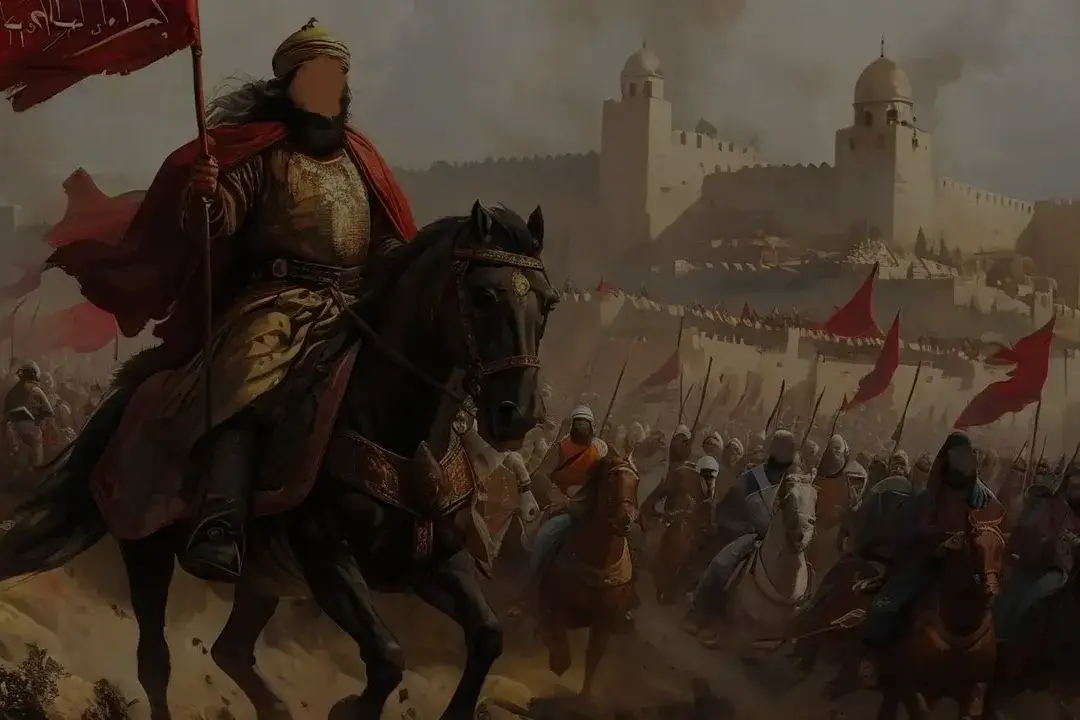
The dream of Al-Andalus slowly fractured, beginning with political division among the Muslim taifas (kingdoms) and accelerating under external pressure from the Christian Reconquista.
By 1492, the last Muslim kingdom of Granada fell. A devastating reversal of policy followed: the Spanish Inquisition forcibly erased centuries of coexistence, demanding that Muslims and Jews convert, flee, or face persecution. A thriving multicultural civilization tragically faded into memory.
However, the legacy of Al-Andalus endures:
- Its advancements in algebra, astronomy, and medicine flowed into European thought, accelerating the Scientific Revolution.
- Its scholarly traditions formed the basis of early European universities.
- Its architecture remains an unmatched cultural treasure.
A Lesson for Our Time
Al-Andalus was more than a place; it was an idea—a vision of coexistence rooted in mutual respect and shared human potential.
In a world increasingly defined by division and fear, its history offers a powerful and necessary reminder: Muslims, Christians, and Jews can live together with mutual respect, shared purpose, and collective flourishing.
The spirit of Al-Andalus endures in our shared heritage and, most importantly, in the belief that our differences are meant to strengthen us, not tear us apart.