
Introduction: The Universal Call to Submission
Many of the world’s great faiths are named after a prophet or a people, Buddhism after the Buddha, Christianity after Christ, and Hinduism after the land of the Indus. Yet, Islam derives its name from a singular, universal principle: al-Islām, meaning “The Submission” to the Divine Will.
But what happens when we encounter a worldview like that of the native Japanese faith, Shintō, which honors “eight million kami (gods)”? Can a believer in Tawhid (the absolute Oneness of God) find a philosophical bridge to understand this complex system?
Our exploration begins with a profound ancient concept: Musubi.
1. Musubi: The Singular Essence of Creation
In Shintō, the diverse pantheon of kami—the spirits of mountains, rivers, wind, and ancestors—are not seen as entirely separate, independent deities. They are all linked by an ultimate, unnameable force: Musubi (結び).
- Musubi is the creative, generating, and harmonizing energy that brings things into being and ensures growth. It is the fundamental, unified spiritual power that animates the entire cosmos.
- The Philosophical Parallel: This concept finds a striking analogy in Islamic Sufism, specifically the doctrine of Wahdat al-Wujūd (Unity of Being), popularized by the great mystic Ibn Arabi. This doctrine holds that only God (Al-Haqq) has true, independent existence (Wujūd). The entire created universe is merely the outward manifestation (tajalli) of that single Divine Essence.
In this light, Musubi can be interpreted not as a separate god, but as the Ultimate Reality or the One True Existence of which all else is a reflection.
2. Navigating the Kami through the Lens of Tawhid
If Musubi is the One Source, what then are the Kami? They are the many forms, forces, and specific spiritual powers revered in Shintō. To reconcile this plurality with Tawhid, we can view the kami through two primary Islamic theological frameworks:
A. The Kami as Attributes and Names (Al-Asmā’ wa’l-Sifāt)
In Islam, we worship one God (Al-Dhāt), Who is known by countless Names and Attributes (Al-Asmā’ al-Husnā).
- A kami of healing could be seen as a specific manifestation of God’s attribute Ash-Shāfī (The Healer).
- A kami of justice or order could reflect the manifestation of Al-Hakam (The Judge) or Al-‘Adl (The Just).
The multiplicity observed in the kami is thus reframed as the plurality of God’s ways of being known—the myriad facets of His power and mercy—not a plurality of gods. The worshipper is, perhaps unknowingly, addressing a specific quality of the Ultimate Reality.
B. The Kami as Agents of Command (Amr Allāh)
Another compelling view is to interpret the kami as mechanisms or agents by which the Divine Will is executed in the material world.
- In Islam, God’s Command (Amr) is the active force that sustains reality, often carried out by angels (Malā’ikah). These angels have no independent will and simply execute the decrees of the Creator (e.g., controlling the rain, wind, or the processes of nature).
- The Shintō kami of the wind or the sea could thus be seen as the personified function of the angels or spiritual forces assigned to execute God’s plan for that particular domain. They are not independent deities, but subservient functions of the One Master.
Conclusion: Guarding Against Idolatry
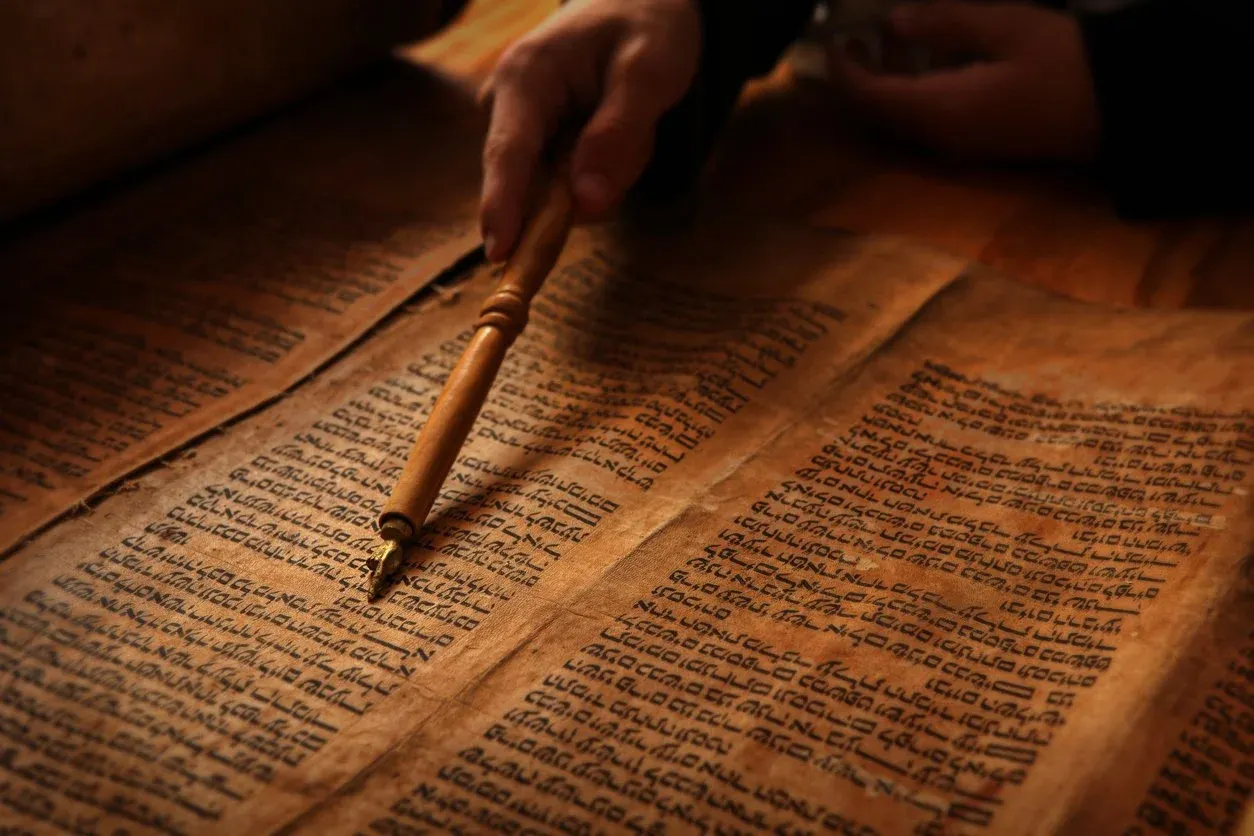
This exercise in philosophical bridging highlights the crucial wisdom behind the absolute prohibition on imagery in strict monotheism, famously expressed in the Second Commandment of the Torah:
“You shall not make for yourself a carved image, or any likeness of anything that is in heaven above, or that is in the earth beneath, or that is in the water under the earth. You shall not bow down to them or serve them,” – Exodus 20:4-5 (ESV)
Why such an intense focus on art?
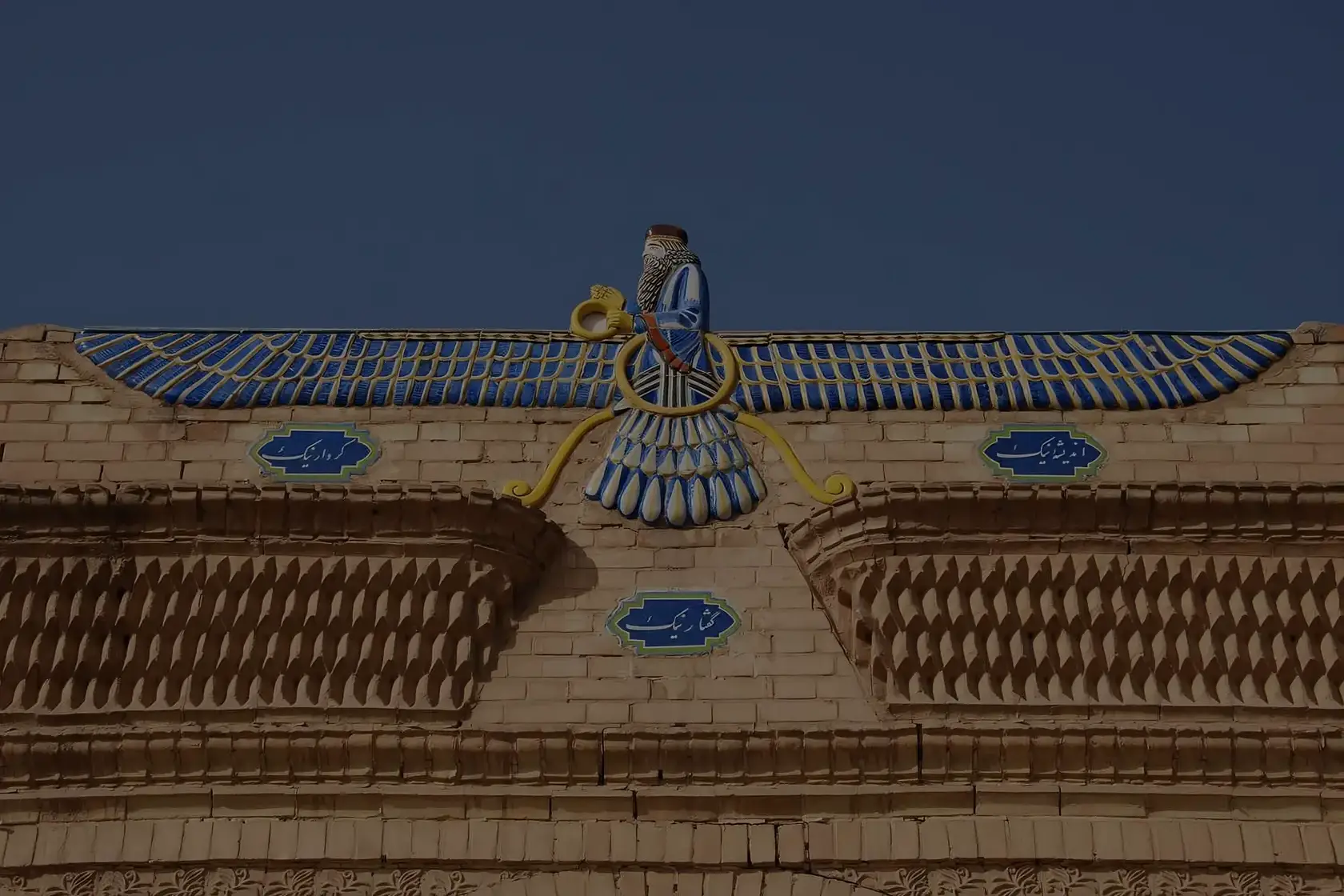
The danger of Shirk (idolatry) is not in the abstract Name or Attribute itself—it is in the moment someone ascribes a physical image to it. This tangible form transforms an attribute of the One God into a separate, distinct focal point for worship, thereby compromising Tawhid. What begins as a pious illustration can quickly turn into an independent idol across generations.
By recognizing the kami as manifestations of Divine Attributes or agents of Divine Command, we uphold the foundational truth that every force in heaven and earth is, in the end, subservient to the One Real Master.