
Introduction: The Final Messenger
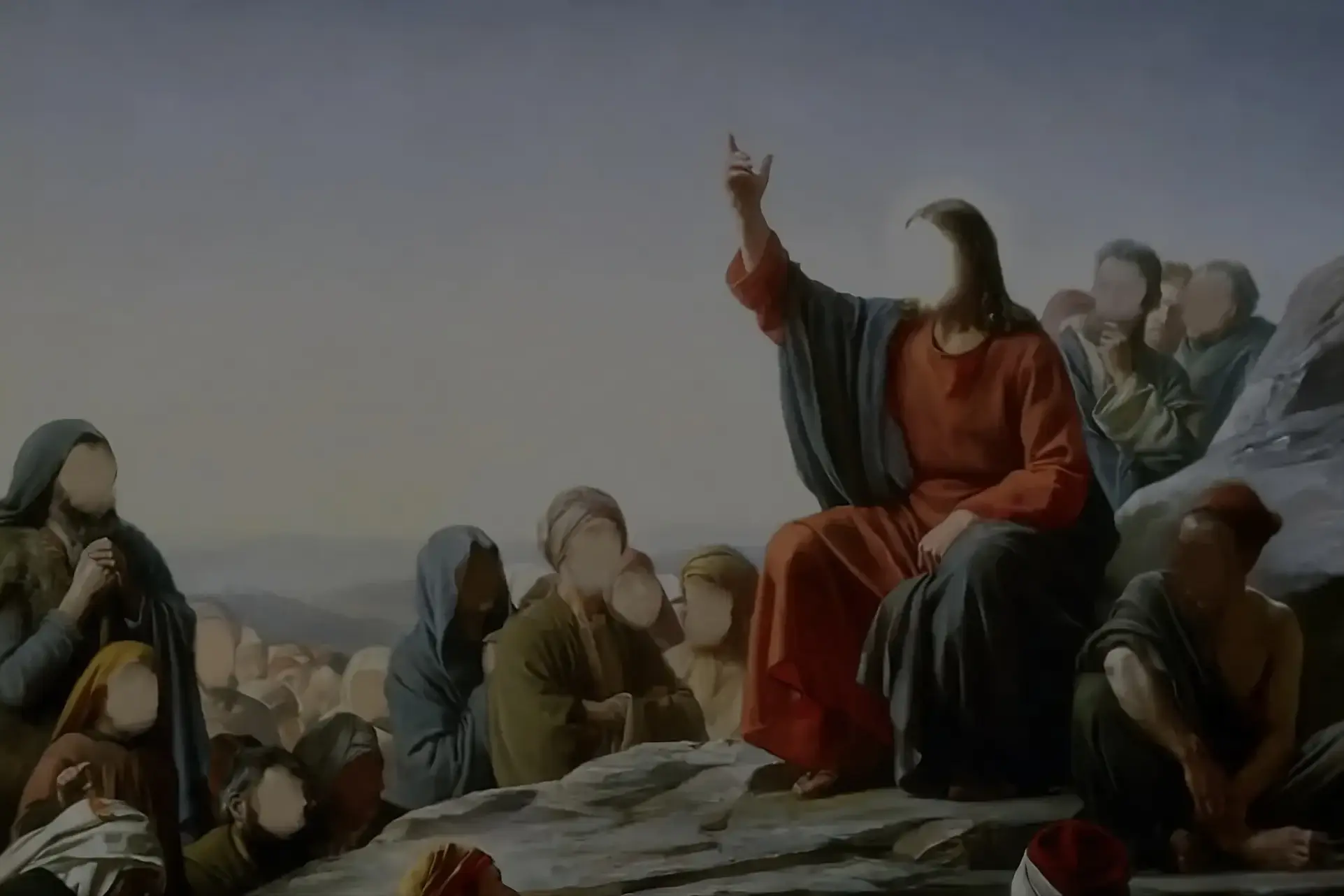
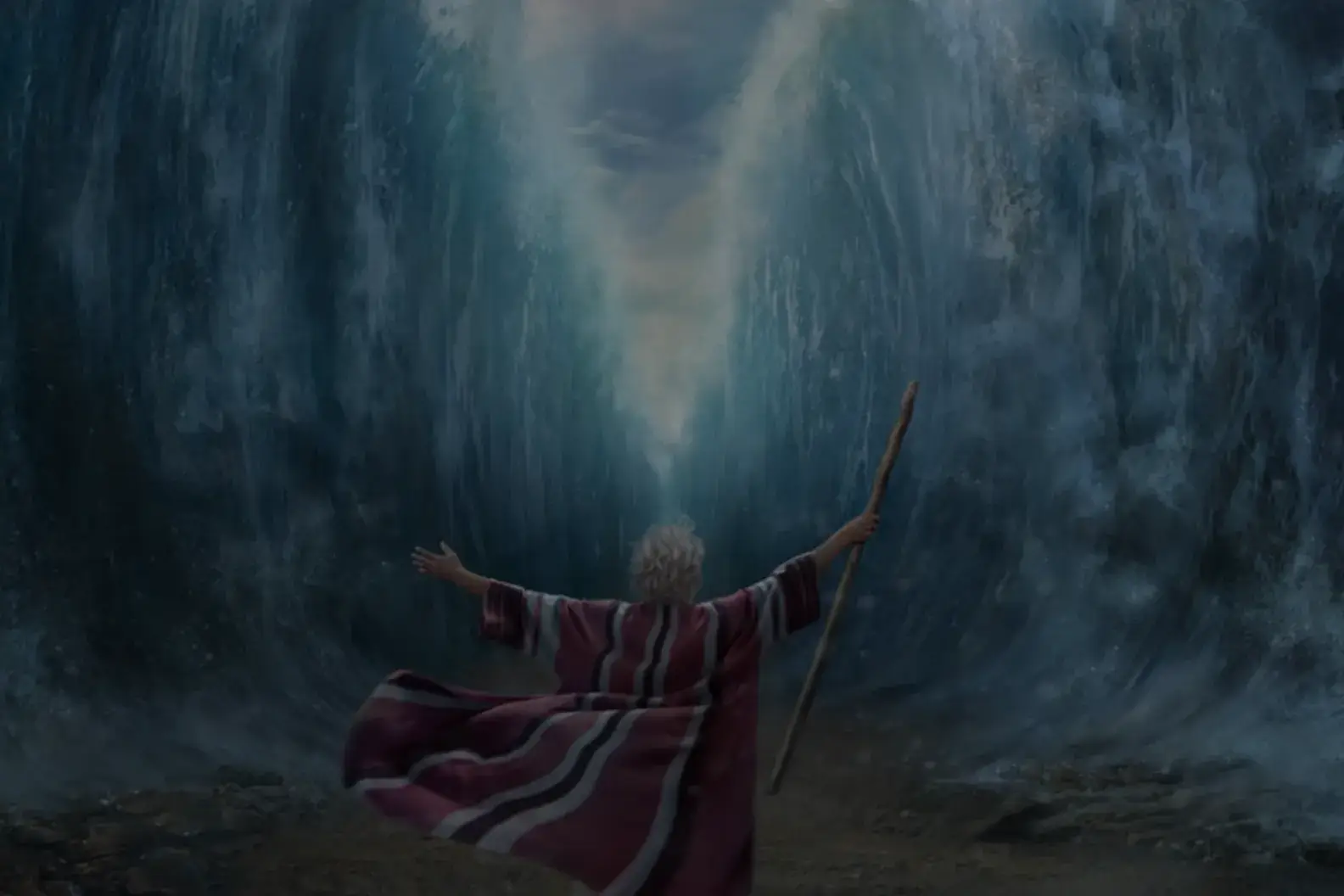
Prophet Muhammad ﷺ is the Final Messenger in the continuous chain of monotheism that began with Adam (peace be upon him) and includes Noah, Abraham, Moses, and Jesus (peace be upon them all). His arrival confirmed the messages of all the Prophets before him and delivered the final, complete, and universal revelation for humanity: the Qur’an.
His life, known as the Sirah, is the most well-documented of any major religious figure in history. It is a story not just of a spiritual leader, but of a statesman, teacher, husband, military strategist, and devoted father, offering a practical model (Sunnah) for every facet of human existence.
1. The Role: The Seal of Prophethood
Prophet Muhammad’s ﷺ most fundamental role is as the Seal of the Prophets (Khatam an-Nabiyyin).
The Completion of the Message
In Islam, this title means two things:
- Finality: He is the last Prophet. No new Prophets or Messengers will come after him.
- Perfection: The Divine message he delivered, the Qur’an, is the final, uncorrupted, and comprehensive guide for all time and all people. It completed the spiritual and legal framework (Sharia) needed until the Day of Judgment.
The essence of his message was identical to all his predecessors: pure monotheism (Tawhid) and submission to the Will of God (Islam).
2. The Story: From Orphan to Leader
Prophet Muhammad’s ﷺ life began in Mecca in the year 570 CE, marked by hardship and nobility.
- Early Life: He was orphaned early, known in his youth for his impeccable character, honesty, and trustworthiness, earning him the title Al-Amin (The Trustworthy).
- The First Revelation (610 CE): At the age of 40, while meditating in the Cave of Hira, he received the first revelation of the Qur’an from the Angel Gabriel. This marked the beginning of his mission, calling the pagan Meccans to abandon idol worship and embrace the unity of God.
- Persecution and the Hijra (622 CE): His message was met with fierce rejection and persecution by the Meccan elite who profited from the idol worship at the Ka’aba. This led to the Hijra (migration) to Medina, a turning point that marks the start of the Islamic calendar.
- Establishment of the State: In Medina, he established the first Islamic state, based on the Covenant of Medina, a document guaranteeing freedom of religion and justice for all citizens, including the Jewish and pagan tribes. His remaining years were spent implementing the Divine Law, leading battles in defense of the community, and ultimately conquering Mecca peacefully.
- The Farewell Pilgrimage (632 CE): Before his passing, he delivered a final sermon on Mount Arafat, encapsulating the core values of Islam: the equality of all people, the sanctity of life and property, the rights of women, and the adherence to the Qur’an and his Sunnah.
3. Misunderstandings and Ethical Clarity
Prophet Muhammad ﷺ is often the subject of intense scrutiny and misunderstanding, particularly in non-Muslim sources. These often stem from taking historical events out of context or conflating cultural practices with core theology.
Addressing Common Misconceptions:
| Misconception | Islamic Reality |
|---|---|
| Violence and War | The Prophet’s warfare was strictly defensive. Islam permits fighting only in self-defense, to protect religious freedom, or to stop oppression. He strictly prohibited the killing of non-combatants, the destruction of crops, and the violation of treaties. |
| Status of Women | The Prophet’s teachings gave women unprecedented rights in 7th-century Arabia: the right to inherit, the right to own property, the right to consent to marriage, and the right to divorce. He famously said, “The best of you are those who are best to their wives.” |
| Plural Marriages | His later marriages were largely political or humanitarian, often to support widows of war, and were heavily regulated (limiting men to four wives, provided they could treat them equally). He established a standard of monogamy for the general population. |
| Fanaticism | The Prophet preached and exemplified moderation and ease. He condemned extremism, stating, “Beware of exaggeration in religious matters, for it is exaggeration that ruined the people before you.” |
Conclusion: The Mercy Sent to Mankind
Muslims honor Prophet Muhammad ﷺ not as a deity, but as Rahmatul lil-‘Alamin (A Mercy to all the Worlds), the ultimate human example who demonstrated how to live a life of piety, justice, and spiritual excellence.
His final message—the preservation of Tawhid and the establishment of ethical conduct (Akhlaq)—is the continuous guide for the 2 billion Muslims seeking to navigate the complexities of modern life while holding fast to the Divine path.