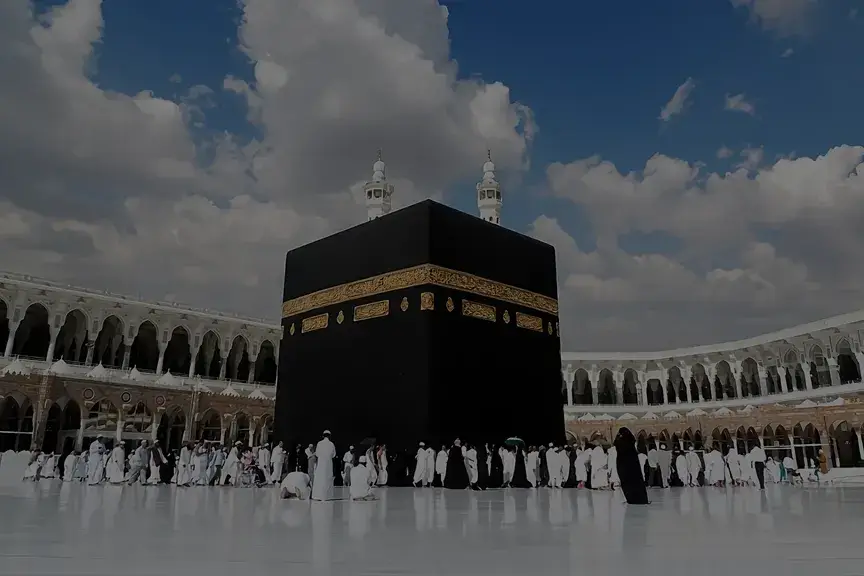

Ramadan is one of the most beloved and spiritually powerful months in Islam. Every year, over a billion Muslims around the world fast from dawn to sunset, but Ramadan is far more than simply giving up food and drink. It is a time of transformation: a reset for the heart, a purification for the soul, and a reminder of our purpose in life.
Why Do Muslims Fast in Ramadan?
Fasting was commanded by Allah in the Qur’an, not as a burden, but as a gift:
“Fasting has been prescribed for you as it was prescribed for those before you, so that you may attain God-consciousness.”
Qur’an 2:183
Ramadan connects Muslims to a tradition that spans all prophets from Adam to Jesus to Muhammad (peace be upon them). It teaches self-discipline, gratitude, and empathy for the less fortunate.
The Spiritual Purpose of Ramadan
At its core, Ramadan is a journey toward Allah. It helps us:
- Break habits that pull us away from Him
- Detox from negativity and distractions
- Strengthen prayer, patience, and self-control
- Transform worship from routine into devotion
Muslims use this month to recite Qur’an, increase charity, and reconnect with faith on a deeper level. Each act becomes a means of purification.
A Month of Mercy, Forgiveness, and Freedom
Prophet Muhammad ﷺ described Ramadan as the month where:
- The gates of Paradise are opened
- The gates of Hell are closed
- And the devils are restrained
For believers, this is an opportunity like no other, a spiritual atmosphere filled with mercy and forgiveness.
The final 10 nights of Ramadan are especially significant, containing Laylatul Qadr (The Night of Decree), a night described in the Qur’an as:
“Better than a thousand months.”
Qur’an 97:3
A single night of sincere worship can transform an entire lifetime.
Fasting: A Gift to the Body
Modern science increasingly supports what Muslims have practiced for centuries. Ramadan fasting promotes:
- Improved metabolism
- Cellular repair (autophagy)
- Mental clarity
- Reduced inflammation
- A healthier relationship with food
When the stomach is emptied, the heart becomes full.
Community, Compassion, and Giving
Ramadan strengthens the bonds of family and the entire Muslim community. Mosques fill with worshipers for nightly Tarawih prayers. Neighbors share meals. Charitable giving reaches its peak because uplifting others is part of worship.
The hunger Muslims feel is meant to remind them:
“If I feel this for a few hours, many feel it every day.”
This inspires generosity that continues long after the month ends.
The Celebration of Eid al-Fitr
At the end of Ramadan comes Eid al-Fitr, a joyful celebration of gratitude where Muslims gather for prayers, meals, and family traditions. It is a reminder that after every struggle whether fasting or life’s challenges comes relief and reward.
Ramadan: A Month That Changes Lives
Ramadan is not just an event on the calendar, it is a spiritual training ground. It refocuses the believer on what truly matters:
God. Family. Community. Purpose.
It teaches us that true freedom is not found in indulging desires, but in mastering them. That success begins with self-discipline. And that every heart is capable of renewal.
So when Ramadan leaves, the goal is simple:
To carry its light into the rest of the year.
May this Ramadan be a month of guidance, healing, mercy, and transformation for all who observe it. Ameen.