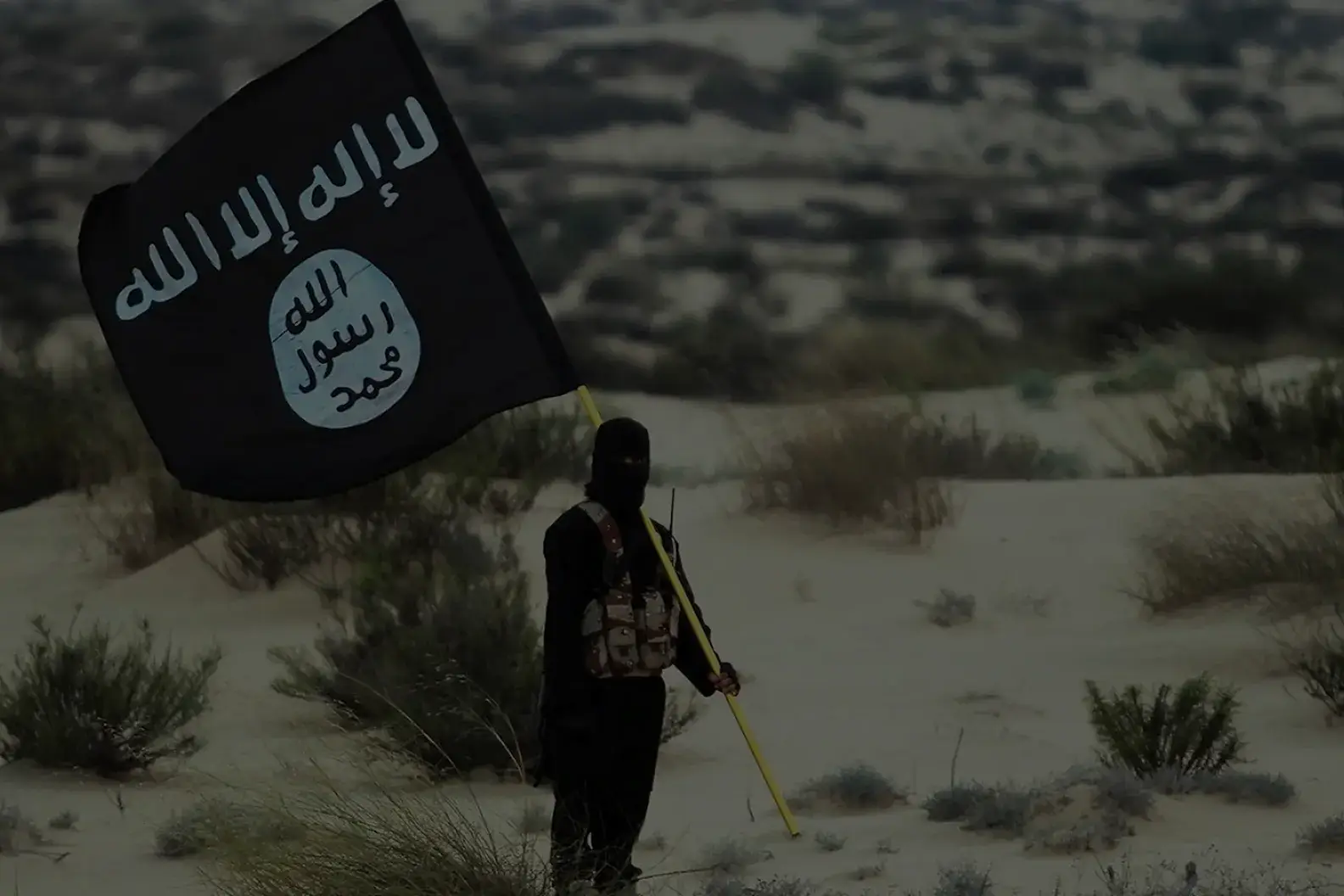

One of the most enduring misconceptions about Islam is the idea that it was forced upon millions of people at the edge of a blade. This “fire and sword” narrative has been a staple of Western literature and polemics for centuries, painting a picture of an army offering a choice: the Qur’an or death.
However, when we move beyond the headlines and look at historical records, a much more complex and fascinating story emerges—one of trade, intellectual appeal, and social revolution.
1. The Theological Mandate: “No Compulsion”
To understand how Islam spread, we must first look at its foundational text. The Qur’an explicitly states:
“There shall be no compulsion in the religion.” (2:256)
Islamic law (Sharia) historically recognized the rights of “People of the Book” (Christians and Jews) to maintain their faiths. If the goal had been forced conversion, we would not see ancient Christian and Jewish communities thriving in the heart of the Muslim world—from Cairo to Baghdad to Istanbul—for over a thousand years.
2. Expansion vs. Conversion
A common historical error is confusing the expansion of the Muslim empire with the conversion of its people. While it is true that Muslim armies rapidly expanded their political borders, the conversion of the local populations was often a very slow process that took centuries.
- Fiscal Reality: Early Muslim caliphates often did not encourage conversion because they relied on the Jizya (a tax paid by non-Muslims in lieu of military service).
- The “Slow Drip”: In places like Egypt and the Levant, it took nearly 200 to 300 years after the initial conquest for Muslims to become the majority of the population.
3. The Power of Trade and Ethical Conduct
The largest Muslim-majority country in the world today is Indonesia. Interestingly, no Muslim army ever set foot there to conquer it.
- The Merchant-Missionary: Islam reached Southeast Asia and West Africa through Muslim merchants. These traders were known for their honesty, reliability, and fair dealings, which were rooted in the strict ethical requirements of the Sunnah.
- Integration: Through their exemplary character (Akhlaq), these merchants gained the trust of local leaders and populations, leading to the voluntary and widespread adoption of Islam across vast regions.
4. The Appeal of Social Justice
In the 7th century, the Middle East was divided between the Byzantine and Sassanid Empires, both of which imposed heavy taxes and rigid social hierarchies.
- The Liberators: To many oppressed populations, the arrival of Muslim rule was seen as a liberation. The Islamic system offered a simpler tax structure and, more importantly, a radical sense of human equality that bypassed the caste-like systems of the time.
- Equality: The message that a slave and a king were equal in the sight of God was a powerful draw for the marginalized, who saw in Islam a path to dignity and justice.
5. Intellectual and Scientific Superiority
During the Islamic Golden Age, the Muslim world became the global center for science, medicine, and philosophy.
- The Magnet for Scholars: People from all over the world traveled to cities like Baghdad, Cordoba, and Cairo to study. The intellectual vitality of Islamic civilization served as a “soft power” that attracted people to the faith through logic and reason.
- Dawah through Excellence: The contributions of early Muslims to mathematics, astronomy, and medicine demonstrated a civilization that was both spiritually grounded and intellectually advanced, prompting many to investigate and eventually embrace the faith.
Conclusion: A Multi-Faceted Journey
The idea that Islam spread primarily by the sword is not supported by history. While military conquest played a role in shifting political borders, the conversion of hearts was driven by:
- Ethical Trade and the exemplary character of early Muslims.
- Social Equality and the promise of justice for the oppressed.
- Intellectual Vitality during the height of Islamic civilization.
- Adherence to the Qur’anic Principle of religious freedom for non-Muslim subjects.
As modern historians like De Lacy O’Leary have noted: “History makes it clear, however, that the legend of fanatical Muslims sweeping through the world and forcing Islam at the point of the sword upon conquered races is one of the most fantastically absurd myths that historians have ever repeated.”